
 EN
EN 英语
英语 中文简体
中文简体 俄语
俄语 西班牙语
西班牙语
Industry News
Jan 23,2026
Why Choose Brass Cable Glands for Industrial Use?
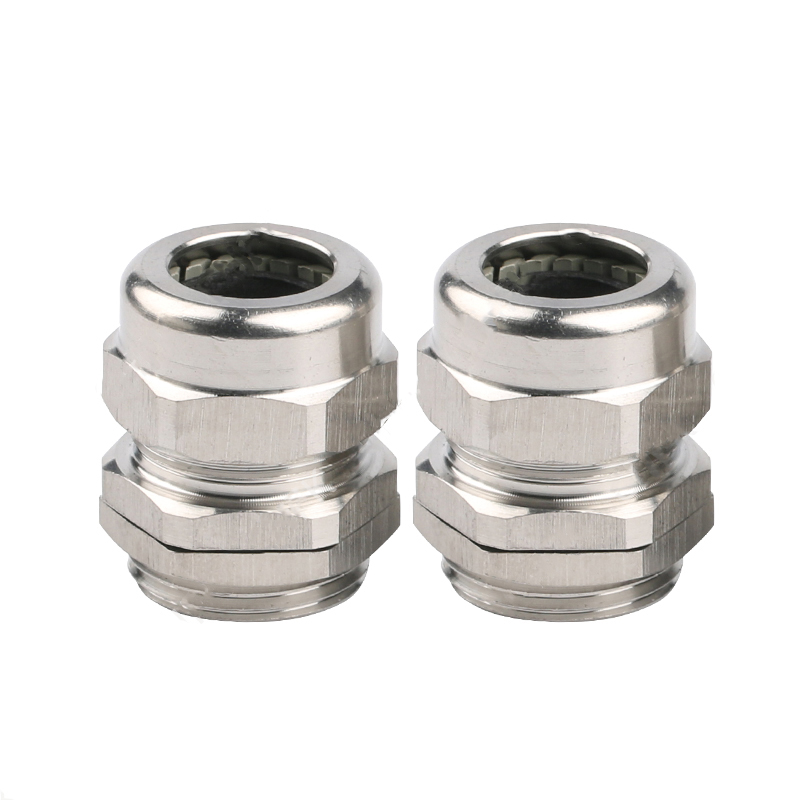
Brass cable glands are essential components in industrial electrical systems. They secure cables as they enter equipment or enclosures, providing strain relief and maintaining stable connections. At the same time, they prevent the entry of dust, moisture, and other environmental elements that could affect performance. By combining mechanical support with environmental protection, brass cable glands help ensure the reliability and safety of electrical installations.
One of the main advantages of brass cable glands is the strength and durability of the material. Brass is resistant to corrosion and mechanical stress, which makes it suitable for harsh conditions, including outdoor installations, industrial machinery, and areas exposed to chemicals or moisture. Its mechanical stability reduces the risk of cable damage over time, while integrated sealing elements enhance protection against water and dust. Many brass cable glands are designed to provide protection levels suitable for demanding environments, helping maintain consistent system performance.
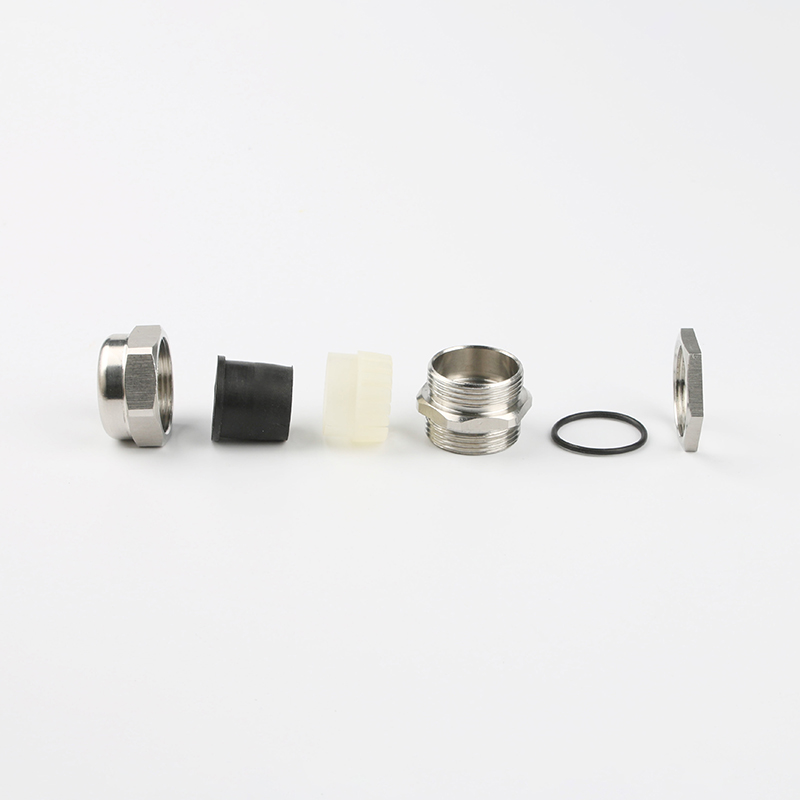
Certification and quality standards are important considerations when selecting brass cable glands. High-quality products are often designed to meet safety and environmental requirements. They are available in multiple thread types and sizes to fit different cable diameters and installation conditions. Proper selection ensures a secure fit and reliable protection. Attention to thread precision, sealing quality, and material composition helps maintain long-term durability and prevents loosening or damage under mechanical stress.
Brass cable glands are versatile and widely used in industrial applications. They are suitable for control cabinets, communication enclosures, automation systems, marine equipment, and energy installations. In addition to single-entry designs, multi-entry solutions allow several cables to pass through a single entry point while maintaining sealing and strain relief. This flexibility allows engineers to manage complex wiring setups efficiently without compromising safety or protection.
The design of a brass cable gland also contributes to strain relief, reducing the risk of cable fatigue in environments where vibration or movement is present. Sealing mechanisms protect against dust and moisture, which can prolong the life of cables and connected equipment. The combination of strength, sealing, and environmental resistance makes brass cable glands a practical choice for industrial installations where reliability is essential.
Frequently Asked Questions
Q1: What is the primary function of a brass cable gland?
A1: It secures cables entering enclosures or equipment while providing strain relief and environmental protection.
Q2: Can brass cable glands be used outdoors?
A2: Yes, they are suitable for both indoor and outdoor environments, including areas with moisture, dust, or mechanical stress.
Q3: How do brass cable glands protect cables?
A3: They provide mechanical support, strain relief, and sealing against dust and water to maintain reliable connections.
Q4: Are brass cable glands available in different sizes?
A4: Yes, they come in various thread types and diameters to fit different cable sizes.
Q5: Why choose brass over other materials for cable glands?
A5: Brass provides higher mechanical strength and corrosion resistance, making it durable and reliable in demanding industrial conditions.
Brass cable glands continue to provide reliable support for cable management in industrial environments. Their strong construction resists corrosion and mechanical stress, while integrated sealing components prevent dust and moisture from affecting connections. These features help maintain consistent performance, reduce maintenance needs, and protect electrical systems from potential damage over time.
Related Products

 +86-15558905711
 +86-15057372736
 [email protected]
 105 Liuxiang Road, Liushi Town, Yueqing City, Wenzhou City, Zhejiang Province, China

