
 EN
EN 英语
英语 中文简体
中文简体 俄语
俄语 西班牙语
西班牙语
Industry News
Jan 16,2026
What Makes Nylon Cable Glands Essential for Industrial Use?
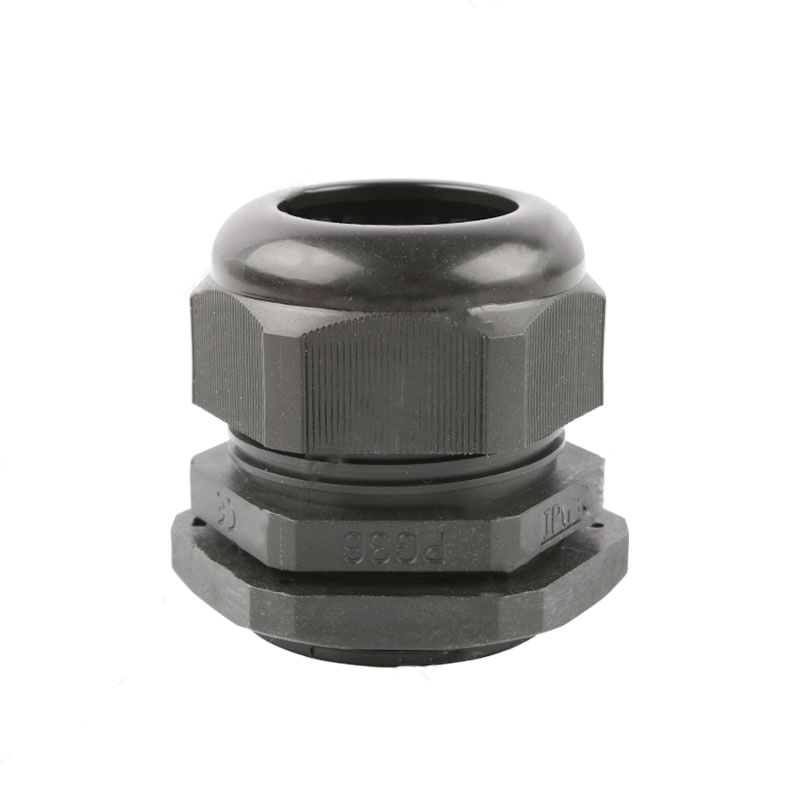
In industrial electrical installations, managing cables safely and efficiently is a crucial concern. One component that plays a significant role in this process is the nylon cable gland. These devices are designed to secure and protect electrical cables as they enter equipment or enclosures. By providing both mechanical support and environmental protection, nylon cable glands help maintain the reliability of electrical systems in various industrial applications.
Nylon cable glands are typically made from polyamide, a durable plastic material that combines strength with resistance to chemicals and environmental stress. This makes them suitable for indoor and outdoor use where mechanical strain, moisture, or dust could compromise cable connections. Many designs include integrated sealing elements that provide protection against the ingress of water and dust, ensuring consistent performance over time. The ability to maintain protection in challenging environments is one of the main reasons these components are widely used in industrial electrical systems.
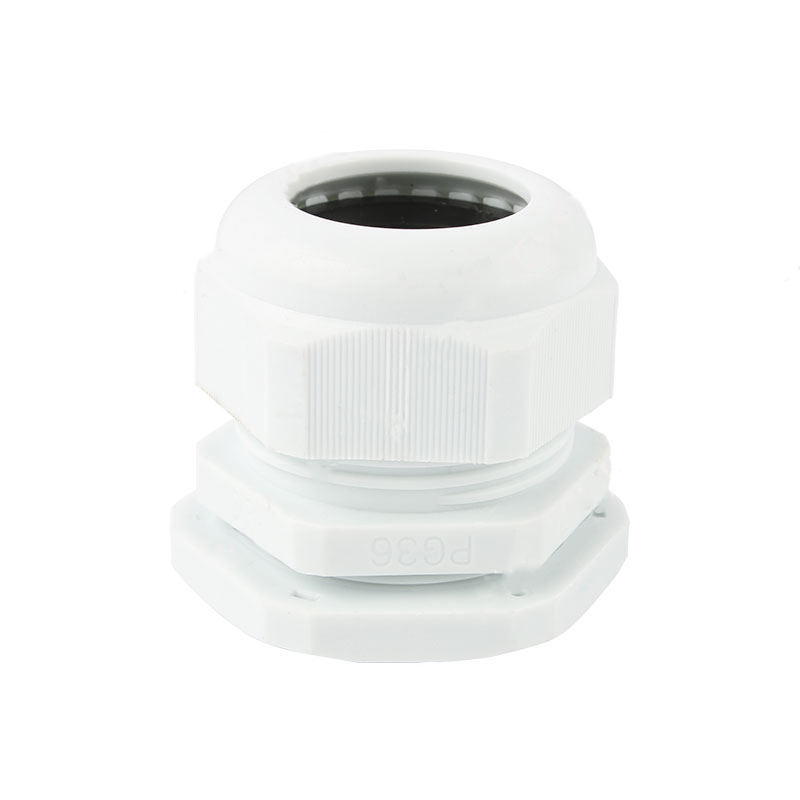
One of the practical advantages of nylon cable glands is their versatility. They are manufactured in a range of thread types and sizes to accommodate cables of different diameters. Some designs allow for easy assembly and adjustment, which simplifies installation and maintenance. In addition to standard single-cable glands, there are multi-entry solutions that enable multiple cables to pass through a single entry point without compromising sealing or strain relief. This flexibility makes them suitable for various applications, from control cabinets and automation systems to outdoor enclosures and communication equipment.
Environmental protection is another key factor. Nylon cable glands can help prevent damage caused by dust, moisture, or vibration, which can affect both the cables and the connected equipment. Many designs offer strain relief to reduce the risk of cable fatigue, especially in systems where cables are subject to movement or mechanical stress. These properties make nylon cable glands a practical choice for industries where equipment reliability and safety are important.
The selection of the right nylon cable gland involves considering several factors. Cable diameter, thread type, environmental conditions, and ingress protection requirements are all critical. In addition, the quality of the gland and the sealing material can influence its performance and longevity. Industrial users often rely on specifications and dimensional charts provided by suppliers to ensure the chosen gland fits the application correctly and delivers adequate protection.
Frequently Asked Questions
Q1: What is the primary function of a nylon cable gland?
A1: Its main function is to secure cables where they enter enclosures or equipment while providing environmental protection and strain relief.
Q2: Can nylon cable glands be used outdoors?
A2: Yes, they are often designed to resist moisture, dust, and environmental stress, making them suitable for outdoor applications.
Q3: How do nylon cable glands protect cables?
A3: They provide sealing against water and dust, mechanical support to prevent strain, and reduce the risk of damage from vibration or movement.
Q4: Are nylon cable glands available in different sizes?
A4: Yes, they come in various thread types and sizes to accommodate a wide range of cable diameters.
Q5: What industries commonly use nylon cable glands?
A5: They are used in industrial control cabinets, automation systems, outdoor enclosures, communication equipment, and other installations requiring cable protection.
Nylon cable glands remain a reliable solution for maintaining secure and protected cable connections in industrial environments. By combining mechanical support with environmental resistance, they help extend the life of electrical systems while ensuring safety and operational stability.
Related Products

 +86-15558905711
 +86-15057372736
 [email protected]
 105 Liuxiang Road, Liushi Town, Yueqing City, Wenzhou City, Zhejiang Province, China

