
 EN
EN 英语
英语 中文简体
中文简体 俄语
俄语 西班牙语
西班牙语
Industry News
Jan 30,2026
How Do 2:1 Heat Shrink Tubes Protect Industrial Cables?
2:1 heat shrink tubes are widely used in industrial and electronic applications due to their ability to provide electrical insulation, mechanical protection, and environmental sealing. The “2:1” designation indicates that the tube shrinks to half of its original diameter when heated, ensuring a tight fit over cables, connectors, and components. This property makes it suitable for a variety of wire and cable sizes, offering secure and durable coverage in demanding installations.
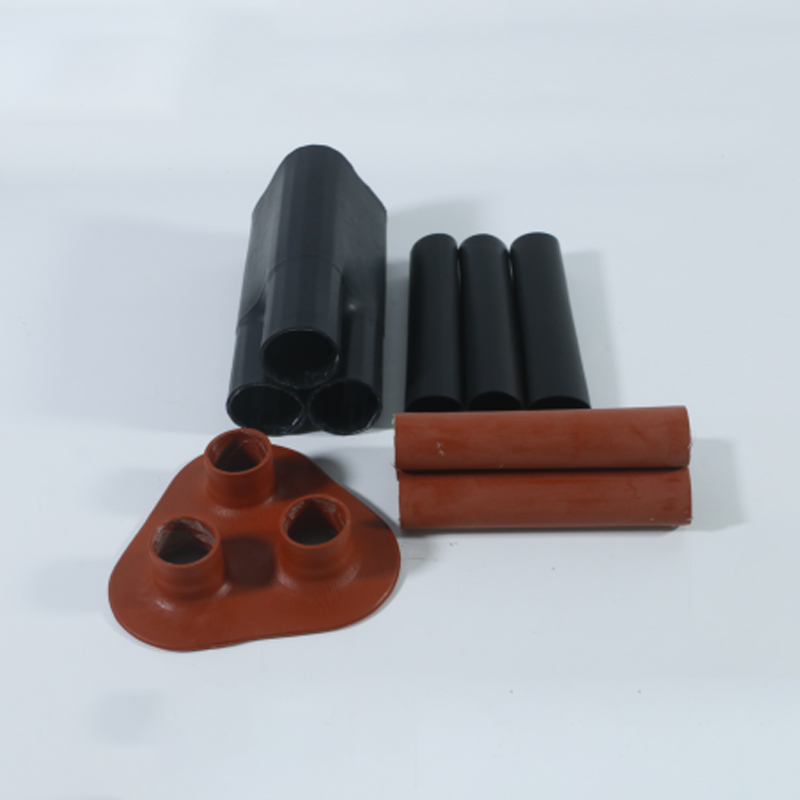
The material composition of heat shrink tubes is an important factor in their performance. Most tubes are made from polyolefin, a thermoplastic polymer known for its flexibility, electrical insulation properties, and resistance to abrasion and chemicals. Polyolefin tubes can operate across a wide temperature range, maintaining structural integrity in both high and low-temperature environments. Some heat shrink tubes include adhesive lining, which melts during heating to enhance sealing and prevent moisture ingress. These features make them suitable for indoor and outdoor applications, including industrial machinery, power distribution systems, and electronic assemblies.
Manufacturers produce 2:1 heat shrink tubes in a range of diameters and wall thicknesses to accommodate different cable sizes. Typical inner diameters range from 0.8 mm to over 100 mm, allowing coverage of small control wires to large power cables. Full-size production capabilities in factories ensure that large-scale orders can be met efficiently, and the consistent quality of these tubes helps maintain reliable performance across installations. Tubes are often tested to meet standards for electrical insulation, tensile strength, and resistance to environmental factors. In industrial environments, using properly sized heat shrink tubes ensures secure cable connections and reduces the risk of electrical faults or mechanical damage.
Data from industry sources indicate that polyolefin heat shrink tubes retain their properties under continuous operation at temperatures of up to 125 °C. Tubes with adhesive linings provide additional protection against moisture and corrosion, making them suitable for applications in humid or chemically active environments. The availability of tubes in multiple colors also supports wire identification and organization in complex electrical systems.
Frequently Asked Questions
Q1: What does 2:1 mean in heat shrink tubes?
A1: It means the tube will shrink to half of its original diameter when heated, allowing a snug fit over cables or connectors.
Q2: What materials are commonly used for 2:1 heat shrink tubes?
A2: Polyolefin is the most common material due to its electrical insulation, flexibility, and chemical resistance. Some tubes include adhesive linings for added sealing.
Q3: What applications are 2:1 heat shrink tubes suitable for?
A3: They are used in industrial machinery, power and control systems, electronics, and outdoor installations where insulation and protection are required.
Q4: How do manufacturers ensure quality in full-size heat shrink tubes?
A4: Tubes are produced in various diameters and thicknesses, tested for tensile strength, heat resistance, electrical insulation, and consistent shrink performance.
Q5: Can heat shrink tubes prevent moisture and dust ingress?
A5: Yes, tubes with adhesive lining provide additional sealing against moisture and dust, helping maintain long-term reliability in electrical systems.
2:1 heat shrink tubes continue to provide effective protection for cables and electrical connections in industrial environments. Their durable construction offers mechanical support, while excellent electrical insulation prevents short circuits and maintains system safety. In addition, their sealing properties guard against dust, moisture, and environmental stress, making them suitable for installations ranging from small control wiring to large power cables.
Related Products

 +86-15558905711
 +86-15057372736
 [email protected]
 105 Liuxiang Road, Liushi Town, Yueqing City, Wenzhou City, Zhejiang Province, China

