
 EN
EN 英语
英语 中文简体
中文简体 俄语
俄语 西班牙语
西班牙语
Industry News
Jan 09,2026
Waterproof Cable Gland Applications
Waterproof cable glands are essential components in electrical and network installations, providing a secure interface where cables pass through enclosures. They prevent water, dust, and other contaminants from entering sensitive equipment while maintaining a reliable mechanical connection. With various protection levels and material options, waterproof cable glands are widely used in industrial machinery, outdoor communications, and energy systems.
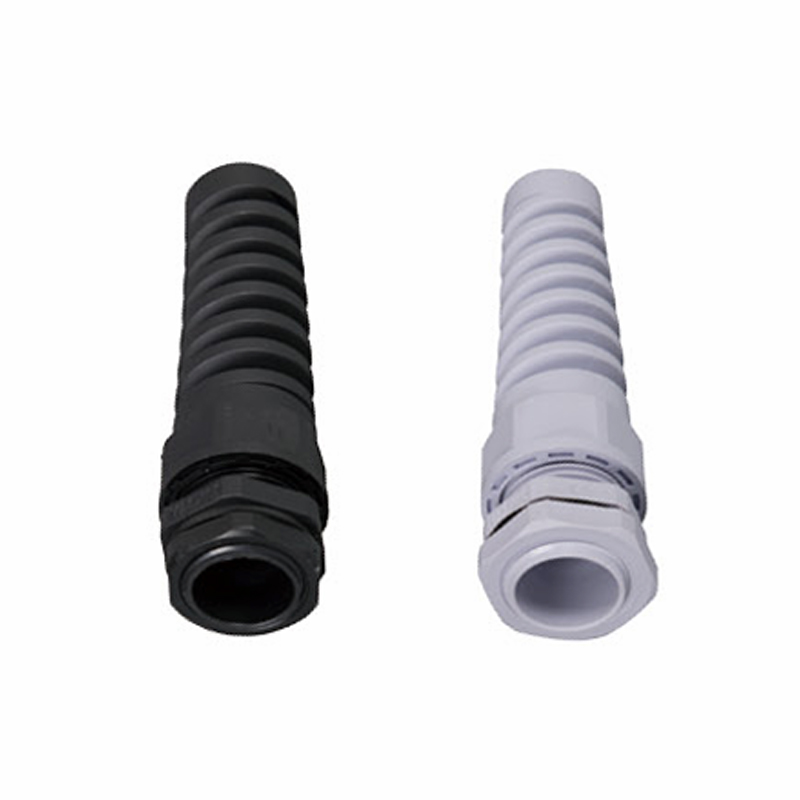
A critical feature of these glands is the Ingress Protection (IP) rating, which indicates resistance to solids and liquids. Common ratings include IP65, IP66, IP67, and IP68. An IP68-rated cable gland can withstand continuous immersion in water under specific conditions, making it suitable for outdoor or wet environments. IP67, by contrast, offers temporary protection against water immersion and is often used in applications with occasional exposure to moisture.
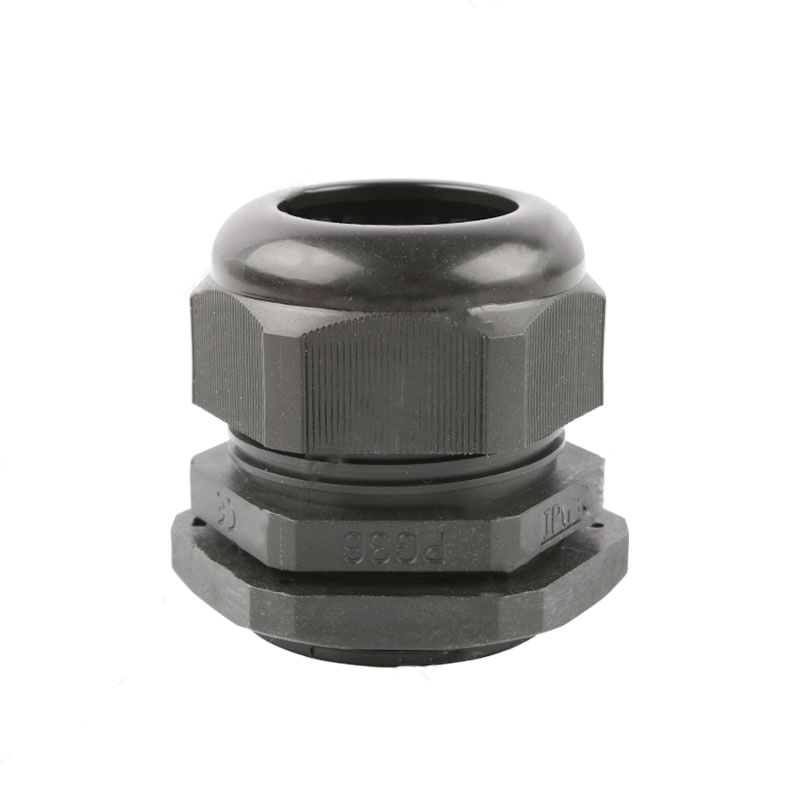
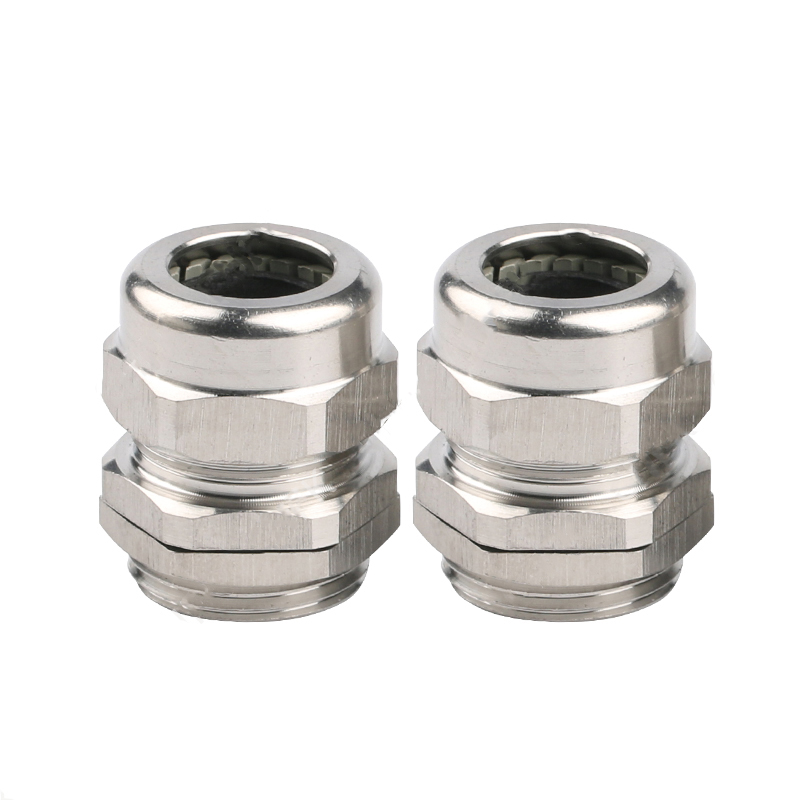
Industrial installations rely on waterproof cable glands to maintain uptime by protecting electrical connections in control cabinets, motor junction boxes, and conveyor systems. Glands are designed to fit standardized threads, such as Metric (M12, M16, M20) or PG types, which ensures compatibility with a variety of enclosures. Material selection also influences performance. Nylon glands are lightweight, resistant to chemicals, and suitable for standard industrial use, while metal options like nickel-plated brass or stainless steel provide higher mechanical strength and corrosion resistance. Sealing elements, including EPDM or silicone O-rings, enhance water resistance and maintain a tight fit around the cable jacket.
Outdoor applications require glands that can endure both moisture and temperature variations. Typical waterproof cable glands operate between -40°C and 100°C, with temporary exposure to higher temperatures depending on material and design, ensuring stable sealing performance in changing climates. They are frequently used in lighting fixtures, telecommunications, and renewable energy installations, where consistent performance under wet and humid conditions is crucial. Multi-hole designs are also available, allowing several cables to enter one enclosure without compromising water protection, which is useful for control panels or complex junctions.
Correct specification and installation are essential for long-term performance. The gland’s IP rating should match the environmental conditions, and the material should suit the type of exposure expected. Proper sizing to match cable diameter is important to maintain sealing effectiveness and prevent moisture ingress. In industrial and outdoor environments, waterproof cable glands play a key role in reducing maintenance needs and avoiding equipment failure.
FAQ
Q1: What does IP68 mean for a cable gland?
A1: IP68 indicates the gland is dust-tight and can withstand continuous immersion in water under defined conditions, including depth and duration.
Q2: What materials are commonly used?
A2: Common materials include nylon, nickel-plated brass, and stainless steel. Nylon is lightweight and chemical-resistant, while metal options offer higher strength and durability.
Q3: How do I choose the right gland?
A3: Consider the environment, required IP rating, cable diameter, and material compatibility. Wet or submerged conditions often require IP67 or IP68.
Q4: Are they only for outdoor use?
A4: No. They are also used indoors in industrial settings with dust, moisture, or liquid exposure.
Q5: Can one gland handle multiple cables?
A5: Yes, multi-hole designs allow several cables to pass through a single entry point while maintaining waterproof protection.
Related Products

 +86-15558905711
 +86-15057372736
 [email protected]
 105 Liuxiang Road, Liushi Town, Yueqing City, Wenzhou City, Zhejiang Province, China

