Outdoor electrical systems are regularly exposed to moisture, dust, temperature changes, and mechanical stress. Choosing suitable cable protection components helps maintain stable operation and reduces maintenance requirements over time.
During supplier research, the keywords Waterproof Cable Gland Manufacturer For Sale and Cold-Pressed Insulated Terminals Maker often appear together because buyers frequently source cable entry solutions and electrical connection components as part of the same project. Understanding material selection is an important step when evaluating these products for outdoor use.
Why Material Selection Matters
Different outdoor environments create different challenges for cable management systems. A cable gland installed in a solar power project may face strong ultraviolet exposure, while equipment near coastal areas may encounter high humidity and corrosive conditions.
Selecting suitable materials helps improve:
Resistance to moisture and dust
Mechanical durability
Corrosion protection
Long-term sealing performance
Installation reliability
Material choice should be based on environmental conditions rather than price alone.
Common Materials Used in Waterproof Cable Glands
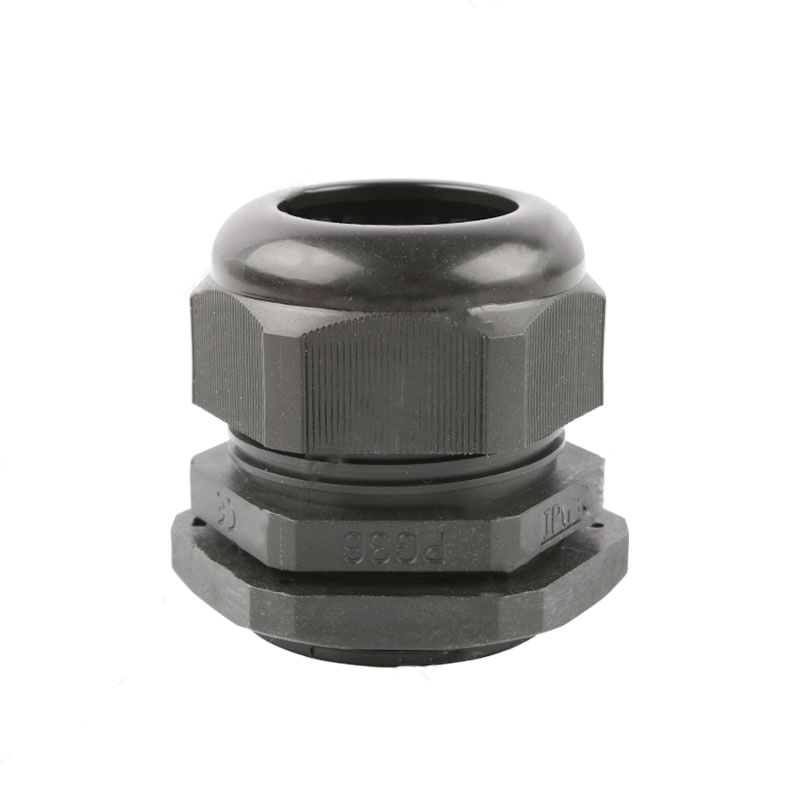
Nylon Cable Glands
Nylon is widely used because it offers good insulation properties and resistance to corrosion. Its lightweight structure also makes installation easier.
Typical applications include:
Outdoor lighting systems
Communication equipment
Electrical control boxes
Solar installations
Nylon cable glands are often selected for environments with moderate mechanical stress.
Brass Cable Glands
Brass provides higher mechanical strength and maintains stable performance under vibration. It is suitable for applications that require frequent maintenance or repeated cable adjustments.
Common uses include:
Industrial automation equipment
Power distribution cabinets
Machinery control systems
Nickel-plated brass versions can provide additional protection against corrosion.
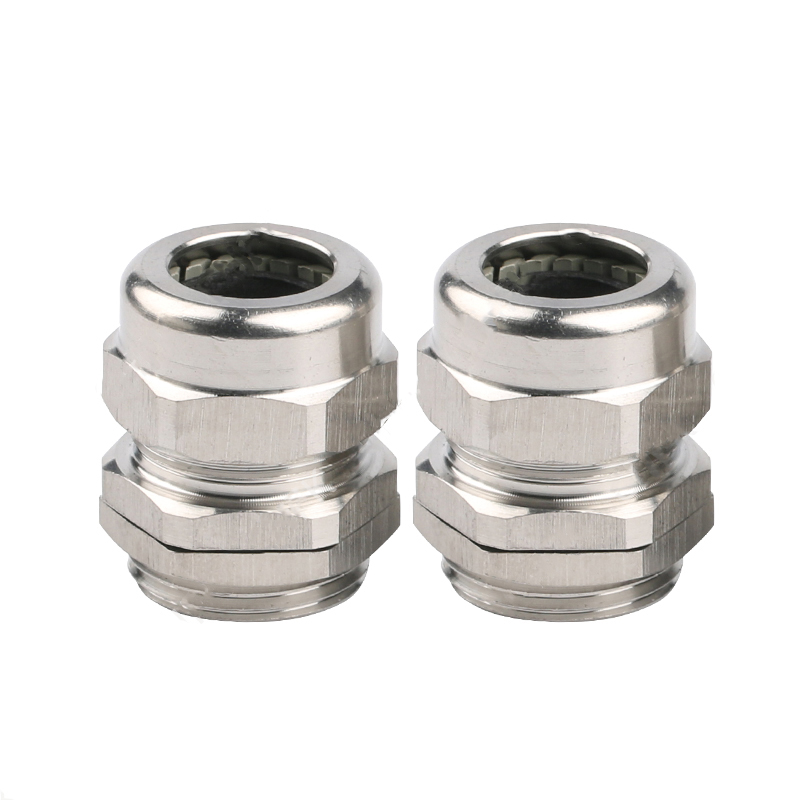
Stainless Steel Cable Glands
Stainless steel is commonly used in environments exposed to moisture, chemicals, or salt spray. These cable glands are frequently found in demanding outdoor applications.
Typical industries include:
Marine equipment
Renewable energy projects
Transportation infrastructure
Chemical processing facilities
The Importance of Sealing Components
Material selection extends beyond the gland body itself. Internal sealing elements play a significant role in maintaining environmental protection.
Common sealing materials include:
EPDM
NBR
Silicone
These components help create a tight seal around the cable jacket, reducing the risk of water and dust entering the enclosure.
Compression structures also improve cable retention and help prevent movement caused by vibration or external pulling forces.
Environmental Factors to Consider
Several conditions should be evaluated before selecting a cable gland material:
Exposure to ultraviolet radiation
High humidity levels
Temperature fluctuations
Chemical contact
Mechanical vibration
Understanding these factors helps engineers select materials that align with the installation environment.
Relationship Between Cable Glands and Electrical Terminals
Outdoor electrical systems rely on more than cable entry protection. Internal wire connections must also remain stable throughout the equipment lifecycle.
For this reason, procurement teams often review Waterproof Cable Gland Manufacturer For Sale and Cold-Pressed Insulated Terminals Maker together during supplier evaluations.
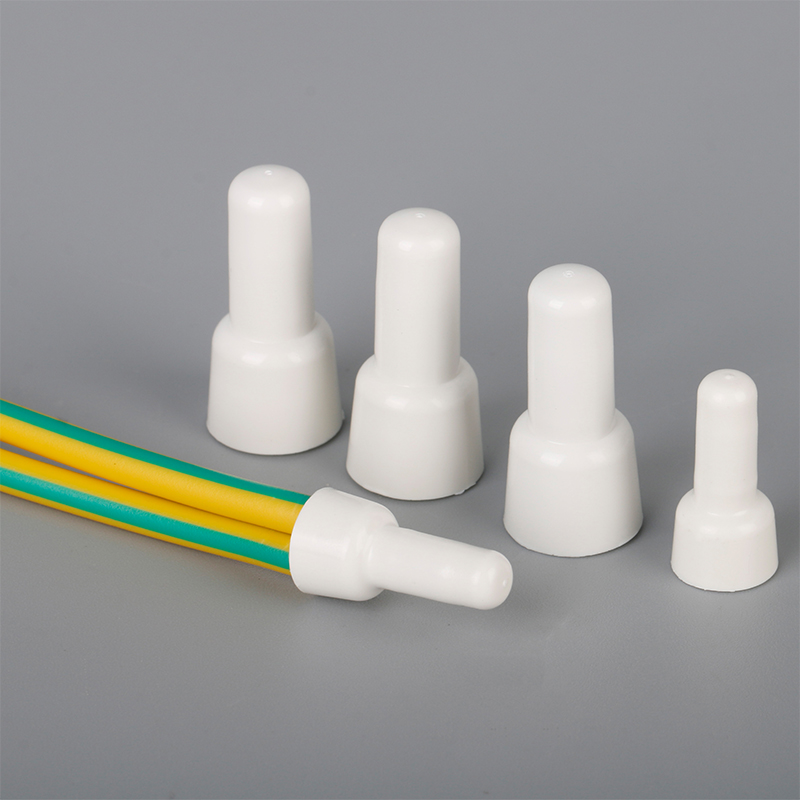
Cable glands protect the point where cables enter the enclosure, while cold-pressed insulated terminals create secure electrical connections inside the system. When these components work together, they support safer and more organized wiring layouts.
Outdoor Application Examples
Waterproof cable glands are widely used in:
Solar energy systems
Wind power equipment
Outdoor monitoring devices
Traffic control systems
Industrial automation lines
Each application requires a balance between sealing performance, material durability, and installation efficiency.
Cold-pressed insulated terminals are also commonly installed in control panels and distribution systems associated with these projects.
Material selection affects not only individual components but also the overall reliability of the electrical system. Evaluating environmental conditions, sealing requirements, and connection methods together helps create a more dependable outdoor installation.