Modern energy facilities and automated production environments rely on stable electrical connections to support continuous operation. Protecting cables from moisture, dust, vibration, and environmental exposure is an important part of system design.
During supplier research, the keywords Waterproof Cable Gland Manufacturer For Sale and Cold-Pressed Insulated Terminals Maker are frequently used by procurement teams seeking complete electrical connection solutions. While cable glands and insulated terminals serve different functions, they are often selected together to improve wiring safety and installation efficiency.
The Role of Waterproof Cable Glands
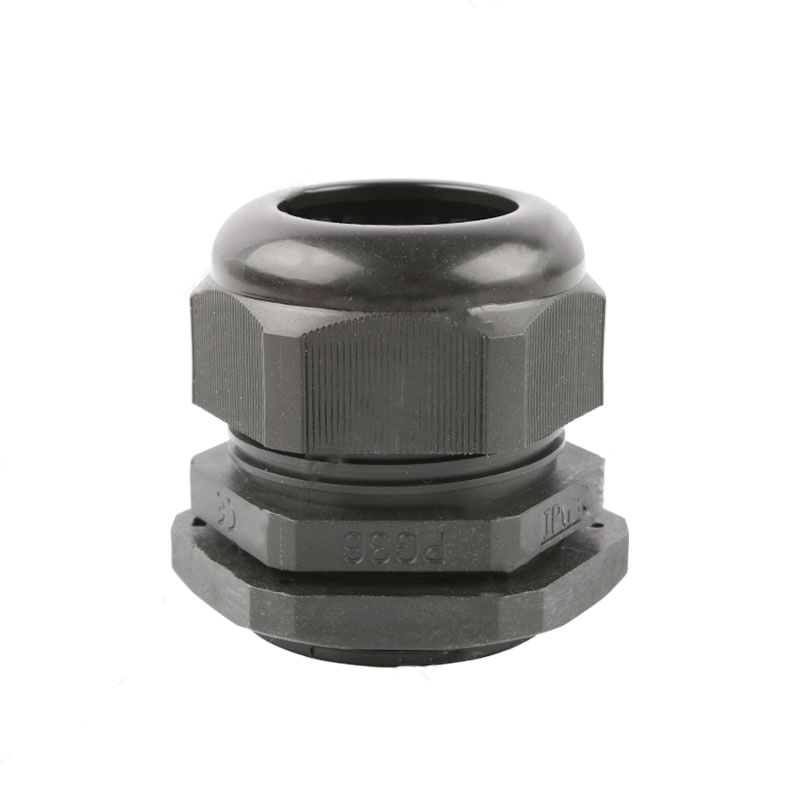
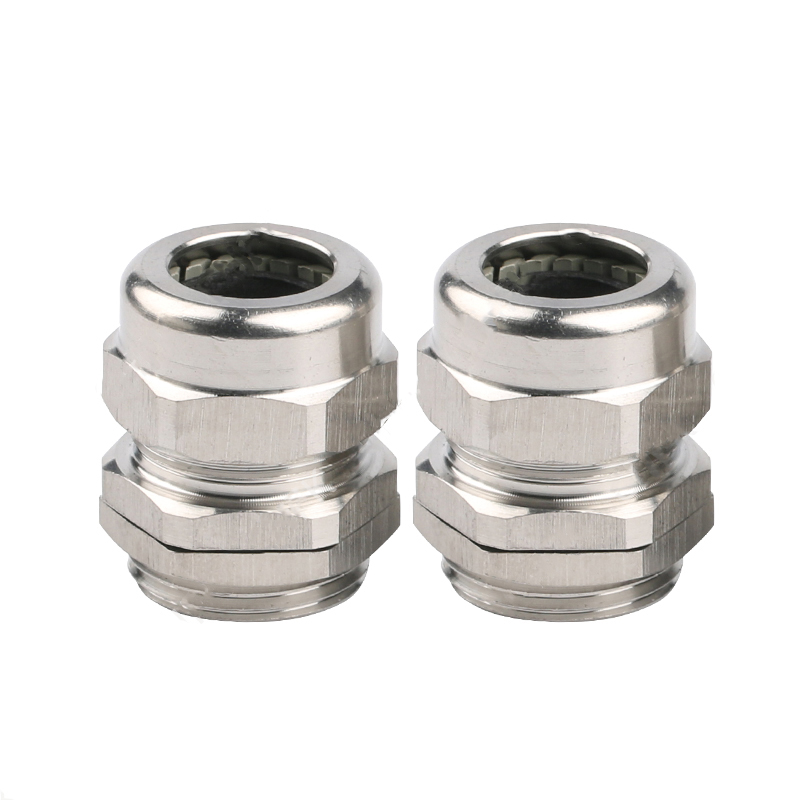
Waterproof cable glands create a sealed entry point where cables pass through enclosures, control cabinets, and equipment housings. Their primary functions include:
Preventing water and dust intrusion
Reducing cable movement caused by vibration
Providing strain relief
Supporting organized cable routing
These features help maintain stable operation in environments where electrical systems are exposed to changing conditions.
Applications in Energy Projects
Energy infrastructure often operates outdoors or in locations where equipment faces demanding environmental conditions.
Solar Power Systems
Solar installations require cable protection components that can withstand sunlight exposure, rain, and temperature fluctuations. Waterproof cable glands help secure cables connected to inverters, combiner boxes, and monitoring equipment.
Wind Energy Equipment
Wind turbines contain electrical systems that experience continuous vibration and movement. Cable glands help maintain secure cable entry points while reducing the risk of environmental contamination.
Power Distribution Facilities
Substations and power distribution cabinets rely on sealed electrical enclosures to protect sensitive equipment. Cable glands support reliable cable management and contribute to safer operation.
Applications in Industrial Automation
Automation systems involve extensive wiring networks that connect sensors, actuators, controllers, and communication devices.
Control Cabinets
Control panels contain numerous cable entry points that require effective sealing. Waterproof cable glands help maintain enclosure integrity while supporting organized wiring layouts.
Sensor and Actuator Connections
Production equipment often operates in environments where dust, humidity, and vibration are present. Cable glands protect field wiring and help maintain signal stability.
Automated Production Lines
Manufacturing facilities rely on continuous communication between machines and control systems. Proper cable protection supports equipment uptime and simplifies maintenance activities.
Performance Requirements in Industrial Environments
Energy and automation projects typically require cable glands that can perform reliably under different operating conditions.
Key considerations include:
Resistance to vibration
Protection against moisture and dust
Compatibility with different cable diameters
Stable performance across varying temperatures
Resistance to corrosion
Selecting suitable materials and sealing structures helps meet these requirements.
Installation Considerations
Proper installation is essential for maintaining sealing performance.
Important factors include:
Matching gland size to cable diameter
Selecting suitable thread standards
Ensuring proper tightening torque
Confirming compatibility with enclosure materials
Careful installation helps maintain protection levels and reduces the risk of premature wear.
Supporting Components for Complete Electrical Systems
Cable entry protection is only one part of a reliable electrical system. Internal wire connections must also remain secure throughout the equipment lifecycle.
For this reason, many buyers evaluate Waterproof Cable Gland Manufacturer For Sale and Cold-Pressed Insulated Terminals Maker at the same time.
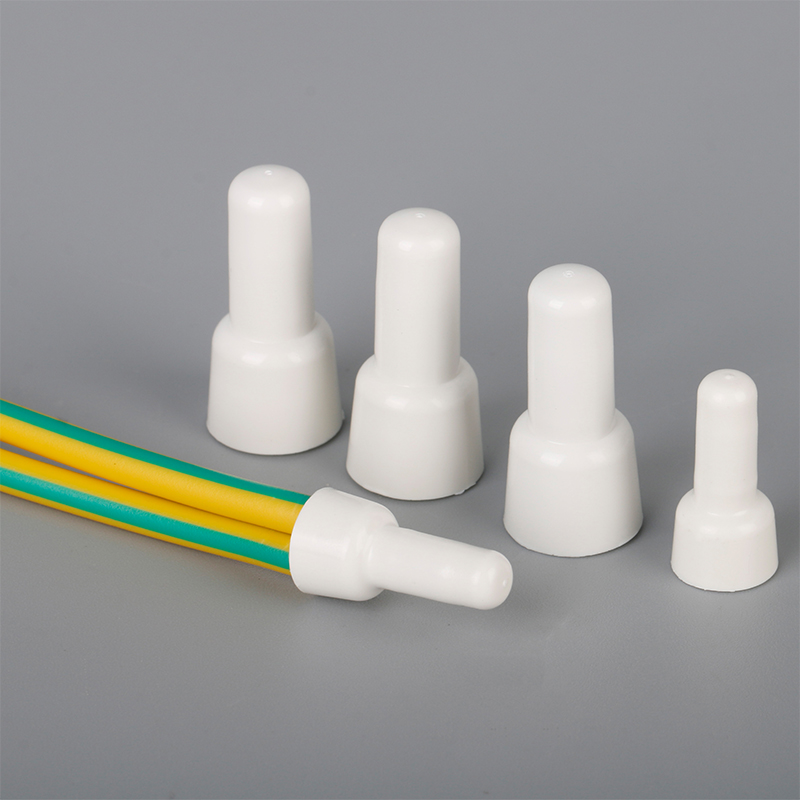
Cold-pressed insulated terminals are widely used in distribution panels, automation equipment, and control cabinets. They help create stable wire connections while supporting efficient assembly processes.
When combined with waterproof cable glands, insulated terminals contribute to safer and more organized electrical installations.
Industry Trends and Future Demand
The expansion of renewable energy projects and industrial automation continues to increase demand for reliable cable management components.
As equipment becomes more connected and operating environments become more complex, manufacturers and engineering teams are placing greater emphasis on component compatibility, installation efficiency, and long-term durability.
Waterproof cable glands play an important role in protecting cable entry points across energy and automation projects, while insulated terminals support secure internal connections. Evaluating these components together helps create electrical systems that align with the operational requirements of modern industrial applications.