
 EN
EN 英语
英语 中文简体
中文简体 俄语
俄语 西班牙语
西班牙语
Home / News / Industry News / Waterproof Cable Gland Manufacturer For Sale: Understanding IP Ratings and Thread Standards
Industry News
Mar 06,2026
Waterproof Cable Gland Manufacturer For Sale: Understanding IP Ratings and Thread Standards
When searching for a Waterproof Cable Gland Manufacturer For Sale, many buyers pay close attention to technical specifications related to protection and installation compatibility. Waterproof cable glands are widely used in electrical equipment to secure cables and protect internal components from moisture and dust. In electrical systems, cable glands are often installed together with cable connection accessories such as the 10KV Heat Shrink Intermediate Cable Connectors, which are used to connect medium-voltage cables in power distribution networks. Understanding IP ratings and thread standards helps installers and purchasing teams choose suitable products for different environments.
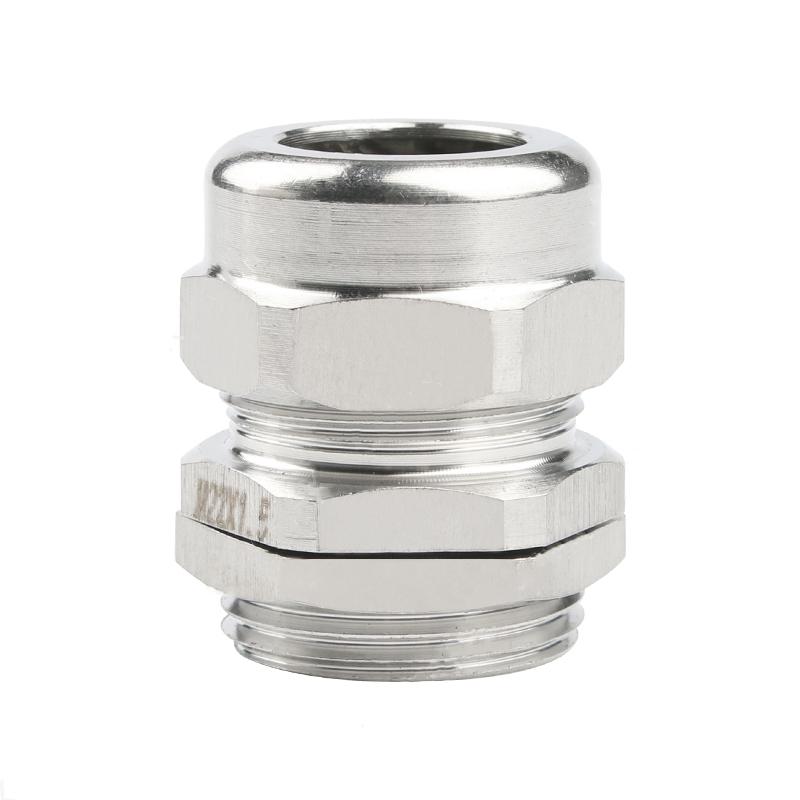
The Function of Waterproof Cable Glands
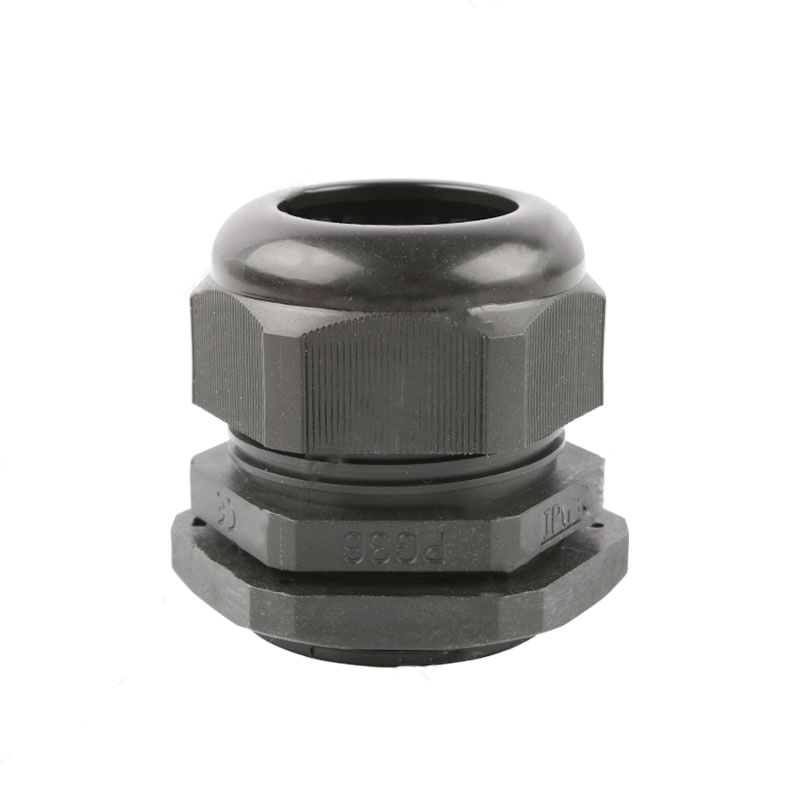
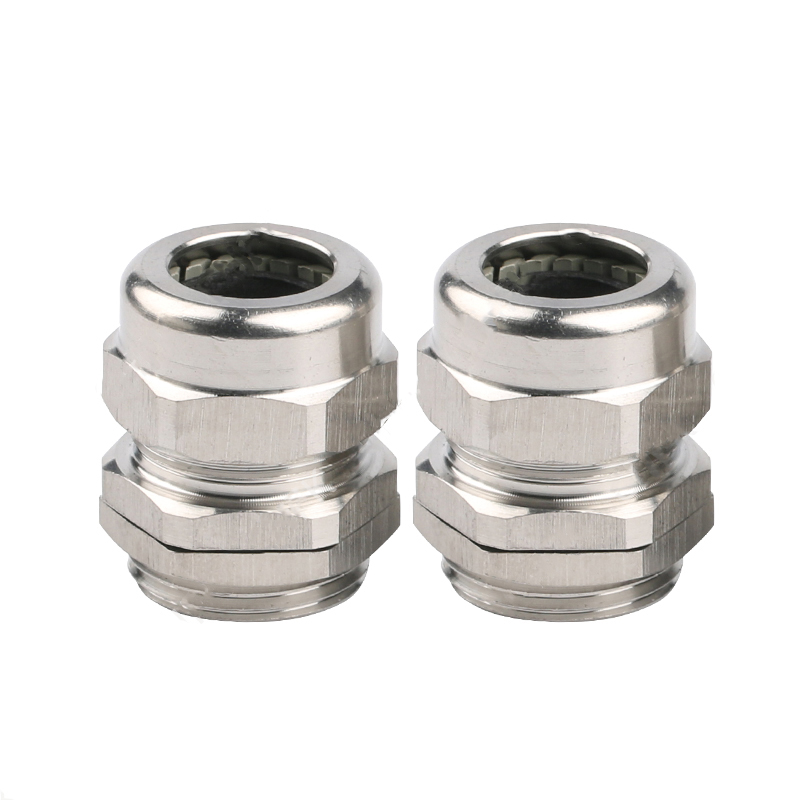
A waterproof cable gland is designed to connect a cable to an enclosure while maintaining a sealed structure. The gland body, sealing ring, and compression nut work together to hold the cable firmly and prevent external elements from entering the equipment.
Cable glands are commonly used in control cabinets, industrial machines, outdoor lighting equipment, and communication systems. Their sealing structure supports the stable operation of electrical devices in environments where dust or moisture may be present.
Understanding IP Protection Ratings
IP ratings describe the level of protection provided by an enclosure against solid particles and liquids. The rating normally contains two digits. The first digit represents protection against solid objects, while the second digit indicates resistance to water exposure.
In cable gland applications, different protection levels are used depending on the installation environment. Equipment placed indoors may require basic protection against dust, while outdoor electrical equipment requires stronger resistance to rain and moisture. For installations exposed to water for extended periods, a higher level of sealing capability is required.
Understanding the meaning of these ratings helps installers determine whether a cable gland can operate reliably in the intended environment.
Common Thread Standards
Thread standards determine how a cable gland connects to an equipment enclosure. Different thread systems are used across industrial sectors.
Metric thread is commonly used in modern equipment due to its standardized measurement system. PG thread is widely used in electrical installations because it offers a convenient size classification. NPT thread is also used in some industrial environments where tapered thread connections are required.
Selecting the correct thread type ensures the cable gland fits properly into the enclosure opening. Proper compatibility improves sealing performance and simplifies installation.
Relationship With Cable Connection Systems
Waterproof cable glands are only one part of a complete cable protection system. Electrical cables may also require connection components along their route. In medium-voltage power systems, the 10KV Heat Shrink Intermediate Cable Connecto is used to join cables while maintaining insulation and mechanical protection.
Heat shrink technology allows insulating tubes to contract around the cable when heated. This process forms a tight protective layer that supports safe electrical transmission. When cable joints and cable glands are used together, they provide both connection stability and environmental protection.
Understanding protection ratings and thread standards is an important step when selecting cable glands for electrical installations. These specifications determine whether the product can be installed correctly and operate reliably in different environments. For buyers exploring options from a Waterproof Cable Gland Manufacturer For Sale, knowledge of these factors can support informed product selection and effective cable management solutions.
Related Products

 +86-15558905711
 +86-15057372736
 [email protected]
 105 Liuxiang Road, Liushi Town, Yueqing City, Wenzhou City, Zhejiang Province, China

