
 EN
EN 英语
英语 中文简体
中文简体 俄语
俄语 西班牙语
西班牙语
Home / News / Industry News / Waterproof Cable Gland Manufacturer For Sale: Common Materials Used In Industrial Applications
Industry News
Mar 13,2026
Waterproof Cable Gland Manufacturer For Sale: Common Materials Used In Industrial Applications
When searching for a Waterproof Cable Gland Manufacturer For Sale, material selection is often a primary concern for engineers and purchasing teams. Cable glands are widely used in electrical installations to secure cables and maintain protection against environmental exposure. Their material composition affects durability, corrosion resistance, and compatibility with different industrial environments. In many power distribution systems, cable glands are installed alongside connection accessories, such as the 10KV Heat Shrink Intermediate Cable Connectors, which help connect medium-voltage cables. Understanding the materials used in cable gland production helps installers choose suitable solutions for different applications.
Importance of Material Selection
Industrial environments can vary greatly, and electrical components must operate under different conditions. Some installations may be located indoors where exposure to moisture and chemicals is limited, while others are placed outdoors where weather and environmental factors are more challenging.
Material selection directly influences how well a cable gland performs in these environments. A suitable material can maintain stable sealing, support cable retention, and resist environmental influence over long periods of use. Engineers usually evaluate environmental conditions, mechanical requirements, and installation locations before selecting a cable gland material.
Nylon Cable Glands
Nylon is commonly used in cable gland manufacturing due to its lightweight structure and corrosion resistance. Nylon cable glands are often installed in electrical cabinets, control panels, and automation equipment in relatively stable environments.
The insulating characteristics of nylon also make it suitable for many electrical applications. Because the material is lightweight and flexible, installation can be straightforward. These cable glands are frequently used in indoor industrial systems, commercial equipment, and communication devices where mechanical stress is moderate.
Brass Cable Glands
Brass is another widely used material for cable glands, particularly in industrial machinery and heavy electrical equipment. The material provides solid mechanical strength and stable structural performance.
In environments where cables may be subject to vibration or movement, brass cable glands help maintain a secure cable connection. Their durability allows them to perform reliably in many industrial environments such as manufacturing facilities, mechanical equipment, and electrical control systems.
Brass cable glands are also often used in installations with metal enclosures, as they provide a secure connection to threaded openings in equipment housings.
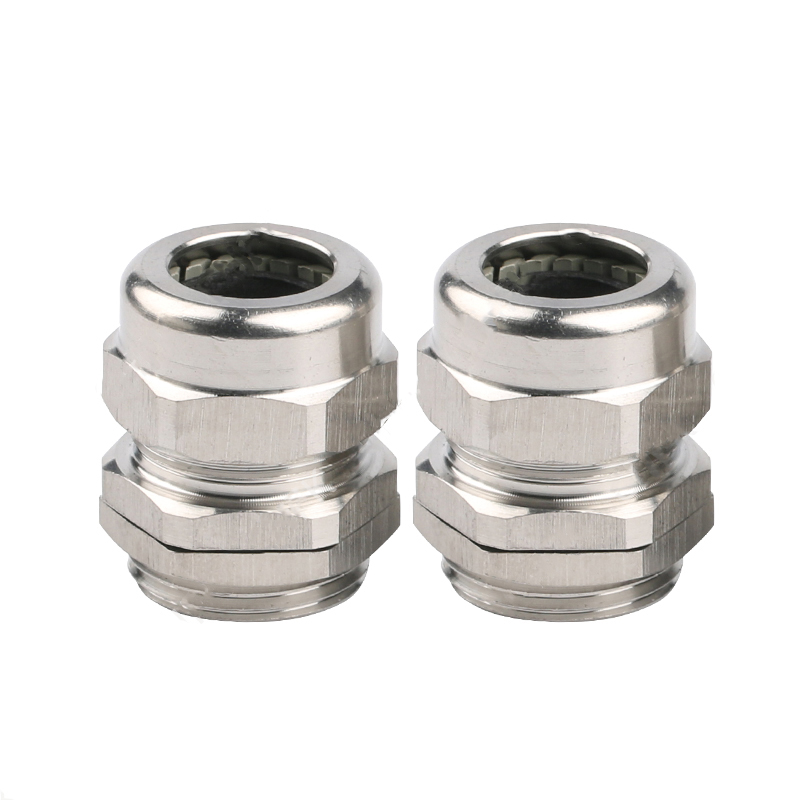
Stainless Steel Cable Glands
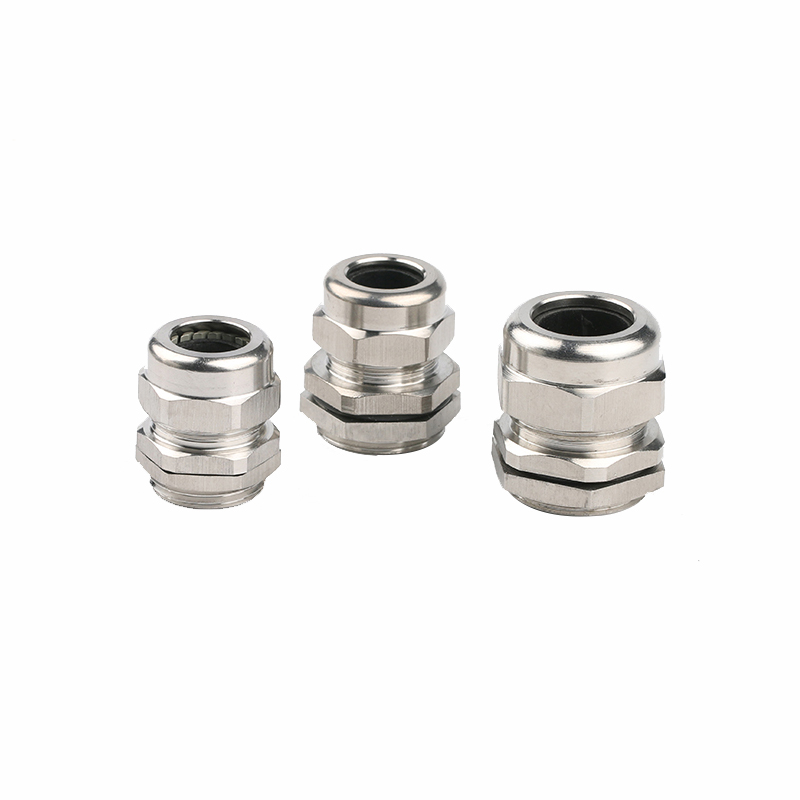
Stainless steel cable glands are designed for environments where corrosion resistance is important. These glands are frequently used in installations exposed to moisture, chemicals, or salt air.
Because stainless steel provides strong structural stability, it is suitable for demanding industrial environments such as marine equipment, chemical processing facilities, and outdoor infrastructure installations. These glands can help maintain cable protection in environments where other materials may degrade over time.
Role in Electrical Cable Systems
Cable glands are part of a broader cable protection system. Electrical installations often require multiple accessories to ensure safe cable operation. While cable glands seal the entry point of cables into equipment enclosures, cable joints connect cables along their routing path.
The 10KV Heat Shrink Intermediate Cable Connectors are commonly used in medium-voltage systems to connect power cables while maintaining insulation and mechanical protection. Heat-shrink technology allows the insulating tube to contract around the cable during installation, creating a protective layer at the connection.
When cable joints and cable glands are used together, they support a stable cable management structure for electrical systems.
Material selection plays an important role in the performance of cable glands used in industrial environments. Nylon, brass, and stainless steel each provide different characteristics suited to specific applications. Engineers and installers often evaluate environmental conditions and equipment requirements before choosing a suitable option. For buyers looking for a Waterproof Cable Gland Manufacturer For Sale, understanding these material characteristics can support effective product selection and reliable cable protection in electrical installations.
Related Products

 +86-15558905711
 +86-15057372736
 [email protected]
 105 Liuxiang Road, Liushi Town, Yueqing City, Wenzhou City, Zhejiang Province, China

