
 EN
EN 英语
英语 中文简体
中文简体 俄语
俄语 西班牙语
西班牙语
Industry News
Feb 27,2026
Nail Cable Clip Round Square Type Organizes Wiring
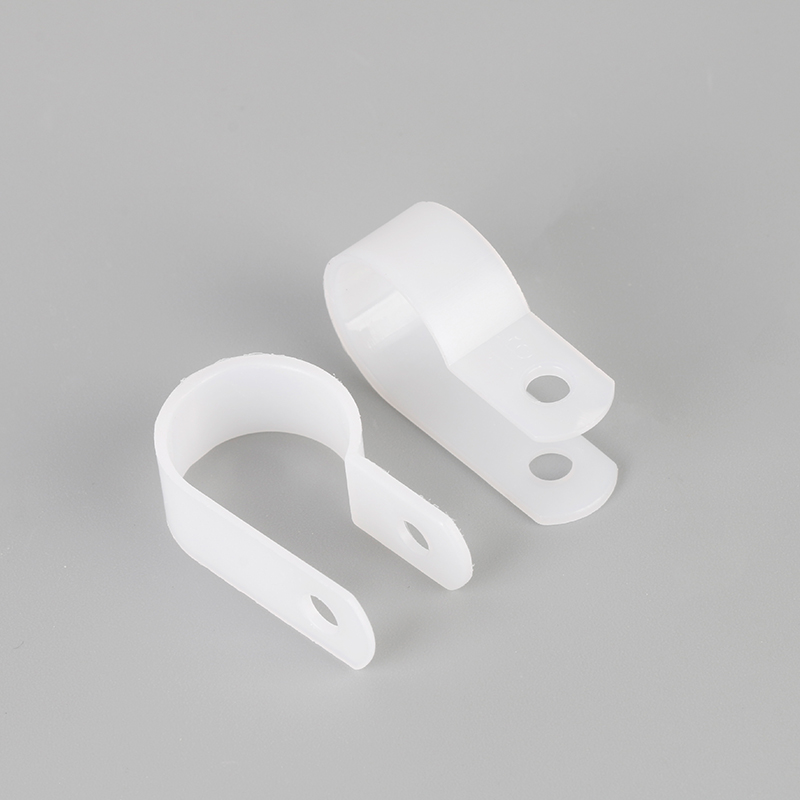
Nail cable clips in round and square types are widely used to secure and organize electrical wiring across residential, commercial, and industrial settings. These clips consist of a plastic body combined with a small nail, which allows cables to be fastened directly to walls, panels, or wooden surfaces without additional support. They are manufactured in multiple diameters to accommodate a variety of cable sizes, ranging from low-voltage household wiring to medium and high-current industrial power cables. By holding cables in place, nail clips reduce stress on insulation and help maintain orderly routing, supporting both functional and safe wiring installations.
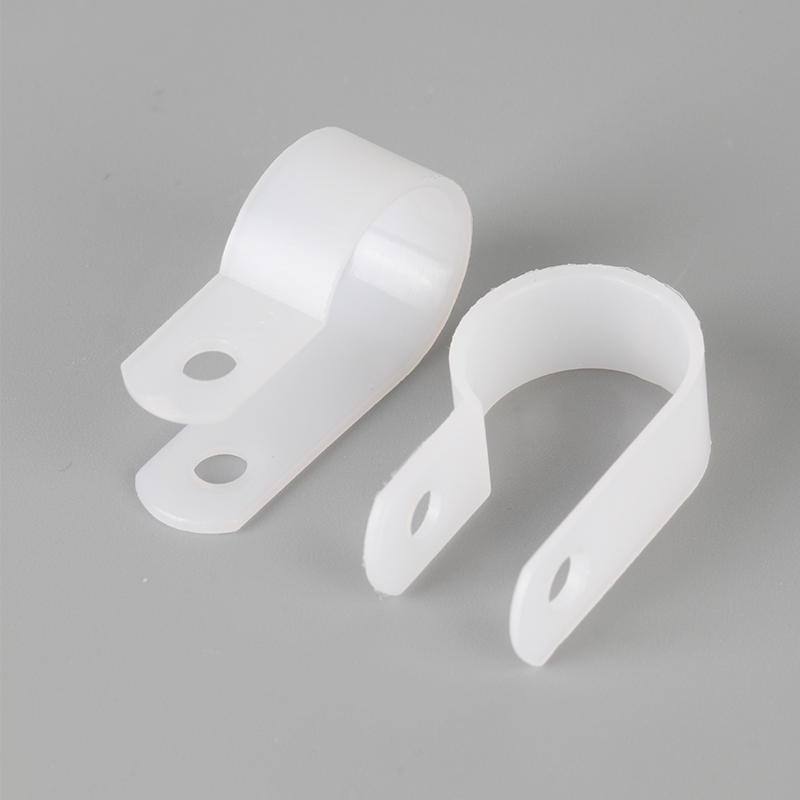
Round clips are commonly used for individual wires or small cable bundles, offering a consistent and neat attachment along surfaces. Square clips, on the other hand, are typically selected for slightly larger or grouped cables, providing additional support for multiple conductors in parallel runs. The plastic body of the clips provides insulation and limits abrasion on the cable surface, while the nail ensures quick and straightforward attachment. Some manufacturers produce clips with UV-resistant or flame-retardant properties, making them suitable for indoor and outdoor environments. This variety allows them to be used in settings where exposure to sunlight, heat, or other environmental factors could otherwise affect wiring integrity.
In addition to their mechanical support, nail cable clips help simplify the overall management of wiring systems. By maintaining proper spacing between cables, they prevent tangling, reduce the risk of accidental disconnections, and create a visually organized layout. Selecting the correct clip size is important to avoid over-compressing cables, which could damage insulation or interfere with electrical performance. For complex wiring installations, some clips come with color-coded plastic bodies, enabling easier identification of individual circuits or cable groups. This feature is particularly useful in offices, data centers, and industrial panels where multiple wiring runs are present.
Installation is straightforward and generally requires minimal tools. The nail component allows the clip to be pressed or lightly hammered into mounting surfaces, securing the cable without extensive preparation. The combination of the plastic body and nail ensures that wires remain in place while accommodating slight movement or vibration, which is common in mechanical and industrial settings. Proper spacing and alignment during installation further contribute to maintaining the function and accessibility of the wiring system, making inspection, repairs, and upgrades easier to perform over time.
Nail cable clips are suitable for a broad range of applications. In homes, they can organize wiring for lighting, outlets, and low-voltage devices. In offices and commercial buildings, they help route data, power, and control cables in a consistent and accessible manner. Workshops and industrial installations rely on these clips to keep electrical lines neat and supported, preventing interference with machinery or other equipment. Their adaptability allows them to be applied across different surfaces, including wood, drywall, panels, and composite materials.
Overall, Nail cable clips in round and square types provide a practical method for organizing and securing electrical wiring. Their design offers insulation protection, mechanical support, and ease of installation, while features such as color coding and material enhancements increase versatility across various environments. By helping maintain orderly cable routing and protecting wiring from abrasion or movement, these clips contribute to electrical systems that are easier to manage, safer to operate, and more accessible for maintenance and adjustments.
Related Products

 +86-15558905711
 +86-15057372736
 [email protected]
 105 Liuxiang Road, Liushi Town, Yueqing City, Wenzhou City, Zhejiang Province, China

