
 EN
EN 英语
英语 中文简体
中文简体 俄语
俄语 西班牙语
西班牙语
Industry News
Feb 20,2026
3:1 Heat Shrinking Tubes With Glue Protect Connections
3:1 heat shrinking tubes with glue are widely used for electrical insulation, protection, and cable identification. These tubes shrink to one-third of their original diameter when heated, tightly enclosing wires, connectors, or joints. The inner adhesive layer melts during the shrinking process, filling gaps and ensuring a moisture-resistant seal. This combination of shrinkage and adhesive enhances electrical insulation and mechanical stability for wire connections in residential, industrial, and automotive applications.
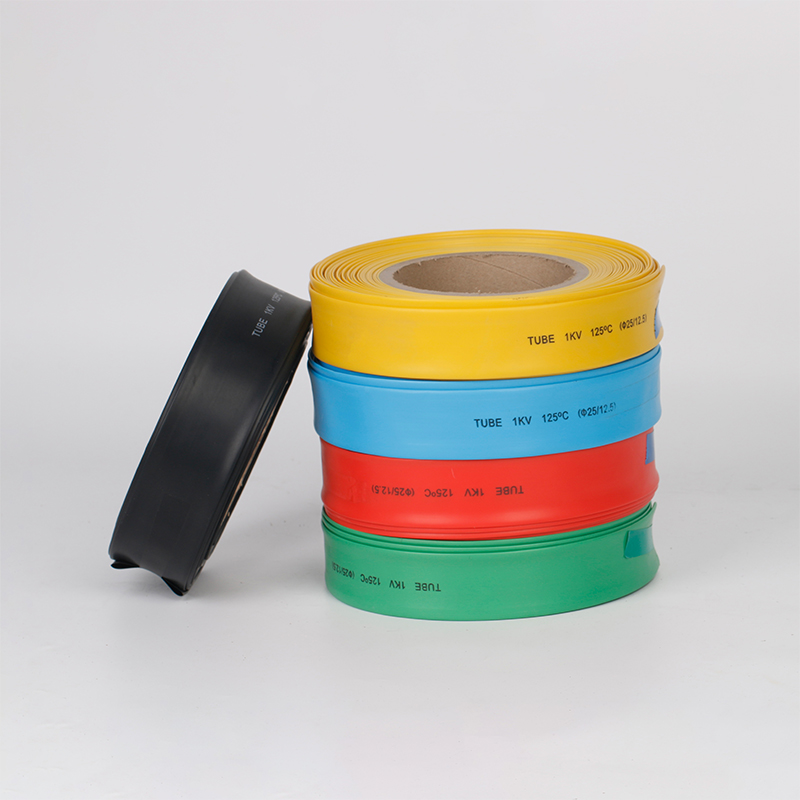
These heat shrink tubes come in a variety of diameters, wall thicknesses, and colors to suit different wire sizes and connection types. The range of colors helps with the identification and organization of wiring systems, which is useful in complex electrical setups or multi-circuit installations. Different wall thicknesses provide levels of mechanical protection appropriate for the application, from light insulation for smaller wires to more robust coverage for connectors that may experience handling or minor impacts. This variety allows installers to select tubing that fits the specific requirements of each project, including residential wiring, industrial control panels, and automotive systems.
The material, usually cross-linked polyolefin, offers resistance to heat, moisture, and environmental stress, helping the tubing maintain its shape under varying temperatures. The 3:1 shrink ratio allows the tubing to fit over uneven surfaces and irregular connector shapes, creating a close fit around wires or joints. This reduces exposure of the conductor to dust, moisture, or abrasion. By combining adaptable sizing, heat resistance, and a design that conforms to different shapes, these heat shrink tubes provide protection and insulation for electrical connections across a range of applications.
In addition to providing electrical insulation, these tubes offer mechanical support by reducing abrasion and shielding cables from vibration, bending, or minor impacts. The inner adhesive layer melts during heating, creating a seal that limits exposure to moisture, dust, and other environmental factors. This feature is especially useful in industrial installations or outdoor wiring exposed to varying conditions.
Installation is straightforward: the tube is slid over the connection and heated using a heat gun or similar tool. Once cooled, the tube forms a protective sleeve that maintains its seal and prevents exposure of the underlying conductor. Proper sizing is essential to ensure adequate coverage and compression. These tubes are used across industries, including electronics, automotive, renewable energy, and control panels, demonstrating their versatility.
3:1 heat shrinking tubes with glue provide a practical method for protecting electrical connections and maintaining consistent performance over time. By offering mechanical support, insulation, and resistance to moisture and environmental factors, these tubes help prevent damage to wires and connectors. They can be applied in residential, commercial, automotive, and industrial wiring systems, where coverage and protection are important.
Frequently Asked Questions
Q: What is the purpose of 3:1 heat shrink tubes?
A: To provide insulation, protection, and mechanical support for wire connections.
Q: How does the adhesive layer function?
A: It melts during heating to fill gaps, providing moisture resistance and a tight seal.
Q: What materials are used?
A: Typically cross-linked polyolefin.
Q: How are they installed?
A: Slide over the connection and heat until fully shrunk.
Q: Where are these tubes commonly applied?
A: Electronics, automotive wiring, renewable energy, and control panels.
Related Products

 +86-15558905711
 +86-15057372736
 [email protected]
 105 Liuxiang Road, Liushi Town, Yueqing City, Wenzhou City, Zhejiang Province, China

