
 EN
EN 英语
英语 中文简体
中文简体 俄语
俄语 西班牙语
西班牙语
Home / News / Industry News / 10kV Heat Shrink Intermediate Cable Connector Features and Performance Overview
Industry News
Apr 10,2026
10kV Heat Shrink Intermediate Cable Connector Features and Performance Overview
Selecting a cable joint for medium-voltage networks requires a clear understanding of its physical attributes and electrical behavior. The 10KV Heat Shrink Intermediate Cable Connector offers a set of characteristics that have been documented through laboratory tests and field service records. This overview examines its construction, material properties, and operational capabilities without overstating its limits.
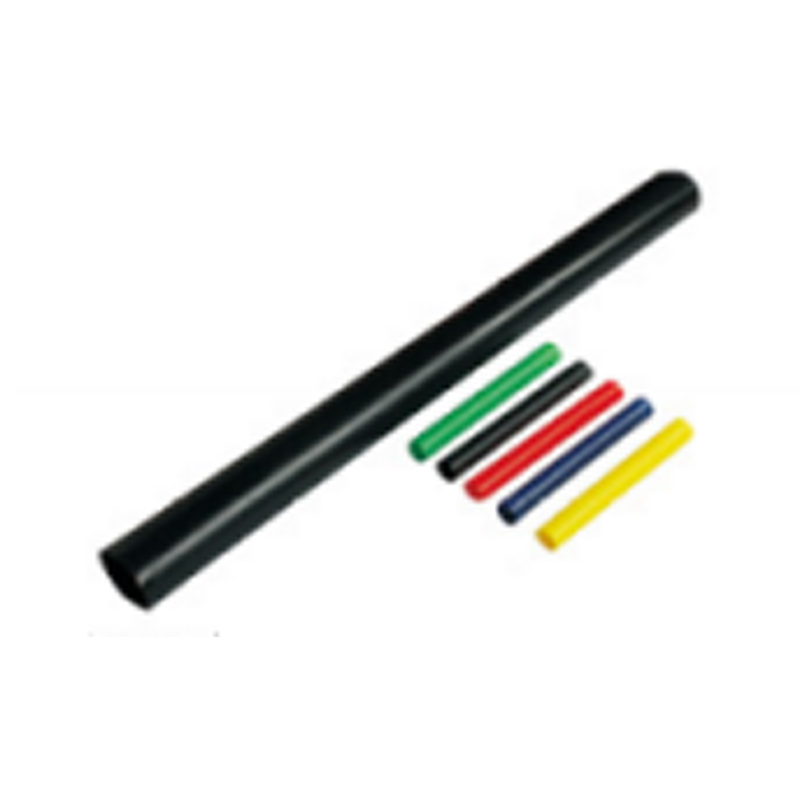
Construction and Material Makeup
The 10KV Heat Shrink Intermediate Cable Connector consists of multiple layers, each serving a distinct function. An inner stress control layer manages the electrical field distribution at the cable insulation cut edge. A main insulation tube provides dielectric strength across the joint length. An outer protective tube resists moisture ingress and minor abrasion. The material used is cross-linked polyolefin, which shrinks when heated to a specified temperature range. This shrinking action creates a tight fit around the cable surface, eliminating air gaps that could lead to partial discharge activity.
Thermal Behavior and Installation Heating
During installation, the 10KV Heat Shrink Intermediate Cable Connector requires controlled heating from a propane torch or electric heat gun. The material begins to shrink at a temperature that can be achieved with standard field equipment. Operators learn to move the heat source evenly around the tube to avoid localized overheating. If heating is applied carefully, the connector conforms to the cable profile without scorching the insulation. The material remains flexible within a certain temperature window after cooling, allowing the cable to bend slightly during backfill operations.
Electrical Performance Characteristics
When installed correctly, the 10KV Heat Shrink Intermediate Cable Connector maintains its insulating properties under normal operating voltages. The stress control layer reduces the chance of corona formation at the semiconductor cut edge. The main insulation thickness meets general industry practices for 10kV systems. Routine acceptance tests, such as insulation resistance checks and power frequency voltage withstand tests, are performed after installation to verify workmanship. These tests do not guarantee an exceptional life but confirm that the joint meets basic requirements for putting the line into service.
Mechanical and Environmental Behavior
The 10KV Heat Shrink Intermediate Cable Connector withstands typical handling stresses during installation, including pulling and bending. Once installed, it tolerates soil pressure in direct burial applications up to usual depths. Its outer layer resists contact with common soil chemicals and diluted acids. Under continuous exposure to sunlight, the material may gradually change appearance, but this does not immediately affect electrical function. For locations with frequent temperature changes, the connector expands and contracts at a rate close to that of the cable itself, reducing mechanical stress at the interfaces.
Long-Term Service Observations
Field records indicate that the 10KV Heat Shrink Intermediate Cable Connector can operate for many years when installed in dry conditions. The joint does not require periodic maintenance apart from visual checks during routine line inspections. If the outer seal remains intact, moisture does not reach the internal insulation layers. Some users have reported service lives consistent with typical distribution equipment replacement cycles. The connector does not contain any special monitoring features, so its condition is inferred from cable system testing at scheduled intervals.
Standard Compliance and Quality Indicators
Manufacturers of the 10KV Heat Shrink Intermediate Cable Connector generally follow recognized standards such as GB/T 12706.4 or IEC 60502-4. Compliance with these documents means the connector has passed a defined set of type tests, including thermal cycling and short-circuit withstand. Users can request test reports from suppliers to verify that a particular product meets the stated requirements. The presence of standard markings on the connector body helps field crews identify the correct product for a given cable size.
Practical Performance Boundaries
The 10KV Heat Shrink Intermediate Cable Connector performs as expected within its intended application range. In continuously wet or submerged conditions, additional sealing measures become necessary. At cable operating temperatures near the upper end of the material's range, the joint continues to function but may show faster aging of the outer layer. These boundaries are well understood by experienced distribution engineers, who select the connector accordingly for projects with moderate environmental demands.
Related Products

 +86-15558905711
 +86-15057372736
 [email protected]
 105 Liuxiang Road, Liushi Town, Yueqing City, Wenzhou City, Zhejiang Province, China

