
 EN
EN 英语
英语 中文简体
中文简体 俄语
俄语 西班牙语
西班牙语
Home / News / Industry News / 10kV Heat Shrink Intermediate Cable Connector Applications in Power Distribution Systems
Industry News
Apr 03,2026
10kV Heat Shrink Intermediate Cable Connector Applications in Power Distribution Systems
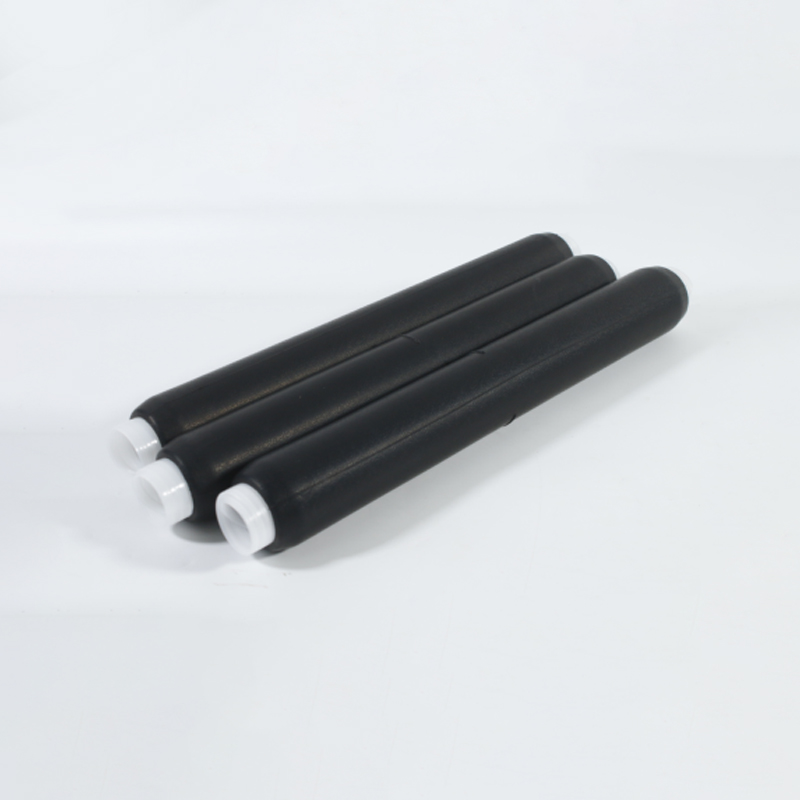
Power distribution networks rely on reliable cable joints to maintain continuous operation across urban and industrial areas. Among the available connection methods, the 10KV Heat Shrink Intermediate Cable Connector is frequently selected for its straightforward design and practical performance in medium-voltage systems. Its role in linking cable sections has made it a common component in many distribution setups.
Applications in Urban Distribution Networks
In city power grids, underground cables often require intermediate connections when cable lengths are insufficient or after fault repairs. The 10KV Heat Shrink Intermediate Cable Connector fits well into such environments because it can be installed in manholes, direct burial trenches, or cable ducts. Urban distribution systems typically operate under moderate load conditions, and this connector type handles those requirements without unnecessary complexity. Many utility projects have adopted it for feeder lines and ring main units, where connection reliability directly affects customer supply.
Use in Industrial Power Systems
Industrial facilities, including manufacturing plants and processing units, operate internal medium-voltage distribution rings. These systems occasionally need cable repairs or extensions due to layout changes or equipment upgrades. The 10KV Heat Shrink Intermediate Cable Connector supports such modifications by providing a field-installable joint that works with common cable types like cross-linked polyethylene insulation. Factory electricians find the installation process manageable with standard tools, making it a practical choice for in-house maintenance teams.
Role in Renewable Energy Projects
Wind farms and solar plants use medium-voltage collection networks to bring power from individual generators to a central substation. These collection lines run across open fields or along access roads, requiring splices at various points. The 10KV Heat Shrink Intermediate Cable Connector has been observed in such applications because it withstands outdoor exposure when properly sealed. Project engineers value its balance between performance and material cost, especially in larger installations where many joints are needed.
Adaptability to Different Installation Conditions
Distribution cables are laid in various ways, including direct burial, concrete troughs, and overhead brackets. The 10KV Heat Shrink Intermediate Cable Connector adapts to these conditions without requiring special enclosures in dry environments. Its outer layer provides mechanical protection against minor impacts during backfilling or maintenance work. For distribution planners, this flexibility reduces the need to stock multiple connector types for different site conditions.
Selection Guidance for Distribution Engineers
When choosing a cable joint for a distribution project, engineers consider cable conductor size, insulation thickness, and operating environment. The 10KV Heat Shrink Intermediate Cable Connector is available in ranges that match standard cable dimensions, allowing straightforward specification. In areas with low annual rainfall and stable temperatures, it serves as a dependable option. For projects with tight budgets, the material cost remains lower than some alternative technologies, which helps keep overall line expenses within planned limits.
Field Experience and Maintenance Considerations
Distribution system operators have accumulated experience with this connector type over many years of service. Routine inspections focus on the condition of the outer seal and any signs of heating at the joint location. The 10KV Heat Shrink Intermediate Cable Connector allows visual checks of its external surface, and trained crews can identify potential issues before they develop further. Replacement, when needed, follows a similar process to initial installation, reducing the learning curve for field teams.
The role of the 10KV Heat Shrink Intermediate Cable Connector in power distribution systems remains relevant due to its predictable performance in dry, moderate environments. Distribution engineers continue to include it in their standard material lists for new line construction and repair projects.
Related Products

 +86-15558905711
 +86-15057372736
 [email protected]
 105 Liuxiang Road, Liushi Town, Yueqing City, Wenzhou City, Zhejiang Province, China

