
 EN
EN 英语
英语 中文简体
中文简体 俄语
俄语 西班牙语
西班牙语
Home / News / Industry News / Secure Wire Harness Installation Through Adhesive Cable Tie Mount Designs
Industry News
May 15,2026
Secure Wire Harness Installation Through Adhesive Cable Tie Mount Designs
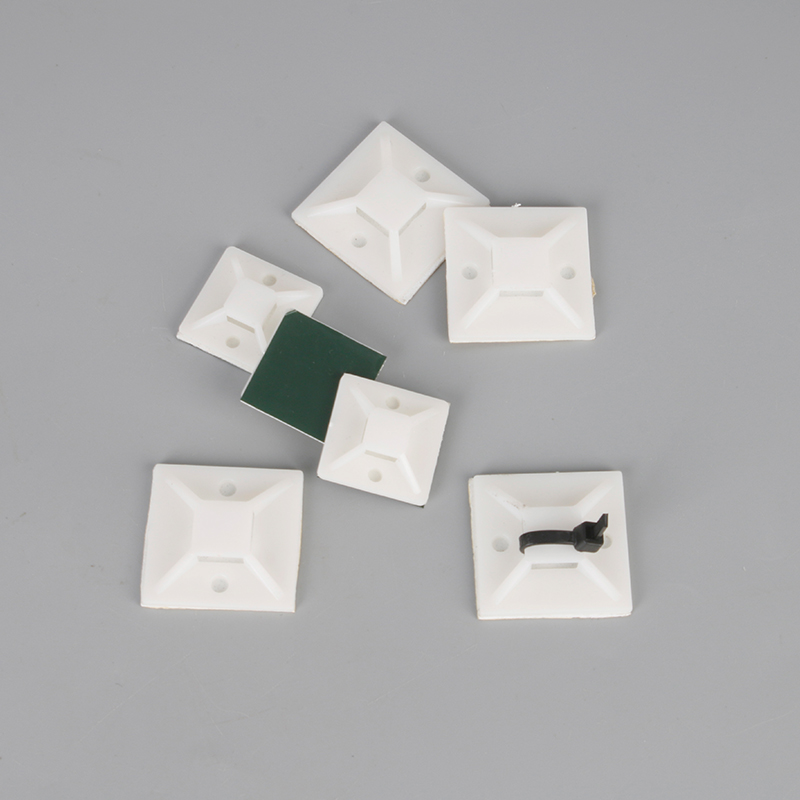
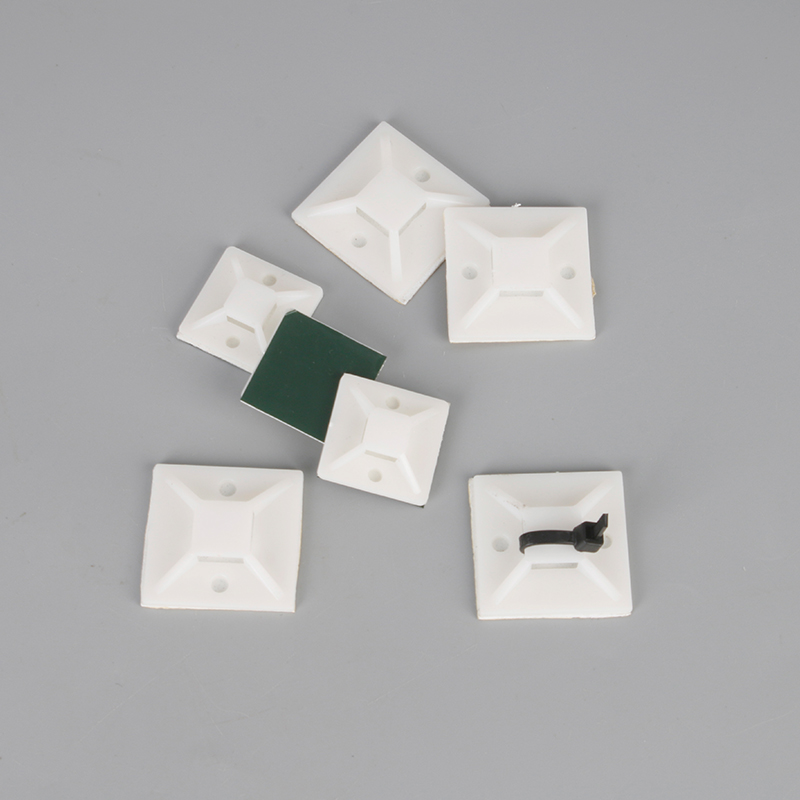
Electrical and electronic systems rely on structured wire harness layouts to support stable signal transmission and power distribution. As system designs become more compact, cable routing has become more challenging in many industries. In these applications, the Adhesive Cable Tie Mount is widely used to support wire harness fixation without requiring drilling or permanent structural changes.
Wire harnesses often include multiple bundled cables that connect sensors, controllers, and power modules. Without proper organization, these harnesses may shift during operation, creating unnecessary strain on wiring paths. Adhesive-based mounting solutions are frequently selected to support cleaner and more controlled routing.
Challenges in Wire Harness Installation
Wire harness systems often face several installation and operational challenges depending on the application environment.
Limited Installation Space
Many electrical assemblies have compact internal layouts. Space limitations can make traditional fastening methods difficult to apply.
Vibration and Movement
Systems operating with mechanical motion may expose wire harnesses to vibration. Without proper support, cables may move over time and affect routing stability.
Cable Wear Risks
Repeated movement of unsecured wiring can lead to abrasion on insulation layers or stress on connection points.
Maintenance Complexity
Unorganized harness layouts can make inspection and maintenance more time-consuming.
Design Characteristics Supporting Secure Installation
Adhesive cable tie mount designs are developed to support structured wire harness organization across different environments.
Compact Mounting Base
A compact base structure allows installation in confined spaces while still supporting multiple cable ties.
Adhesive Attachment Layer
The adhesive backing enables direct installation on flat surfaces such as metal panels, plastic housings, and electrical enclosures.
Multi-Directional Cable Entry
Many designs include multiple entry directions for cable ties, allowing flexible routing based on harness layout requirements.
Smooth Edge Construction
Rounded or smooth edges help reduce potential friction points on cable insulation during installation and operation.
Material Selection for Wire Harness Applications
Material selection plays an important role in supporting wire harness stability.
Nylon-Based Structures
Nylon materials such as PA66 are commonly used due to their mechanical strength and electrical insulation properties.
Adhesive Types
Different adhesive formulations may be used depending on application conditions:
- Acrylic adhesive for general industrial environments
- Rubber-based adhesive for flexible bonding surfaces
- Temperature and Vibration Considerations
Wire harness systems in automotive and industrial environments may require materials that can support varying temperature ranges and vibration conditions.
Application Areas Across Industries
Adhesive cable tie mounts are used in many wire harness applications across different industries.
Automotive Systems
Vehicle wiring systems often include complex harness routes connecting sensors, lighting systems, and control modules. Adhesive mounts support organized routing in areas where drilling is not practical.
Consumer Electronics
Electronic devices and appliances use compact internal wiring systems that require structured cable placement.
Industrial Control Systems
Control panels and automation equipment often contain multiple wiring layers that benefit from structured harness organization.
Communication Equipment
Network and communication devices rely on organized cable routing to maintain signal stability and system clarity.
Installation Considerations for Reliable Performance
Proper installation practices can influence the long-term stability of wire harness mounting systems.
Surface Cleaning
Installation surfaces should be free from dust, oil, and moisture to support adhesive bonding performance.
Mounting Position
Correct placement helps distribute cable load evenly across the mounting base.
Curing Time
Allowing adhesive bonding time before applying cable tension may support improved attachment stability.
Load Distribution
Avoiding concentrated stress on a single mounting point helps maintain harness layout consistency.
Adhesive Mounting Compared to Mechanical Fixing
Different installation methods may be selected depending on system requirements.
Adhesive-Based Installation
Adhesive mounting is commonly used because it:
- Reduces the need for drilling
- Supports faster installation
- Works well in compact assemblies
- Maintains surface integrity
- Mechanical Fastening
Screw or bolt-based mounting may be used when:
- Higher load support is required
- Long-term vibration exposure is expected
- Structural reinforcement is needed
In some cases, hybrid mounting designs combining adhesive and mechanical options are used to improve installation flexibility.
Role in Modern Electrical System Design
Modern electrical systems continue to integrate more sensors, control modules, and communication pathways. As wiring density increases, structured cable management becomes more important for system reliability and maintenance efficiency.
Adhesive cable tie mounts provide a practical solution for supporting wire harness organization in compact and complex electrical environments.
Related Products


 +86-15558905711
 +86-15057372736
 [email protected]
 105 Liuxiang Road, Liushi Town, Yueqing City, Wenzhou City, Zhejiang Province, China

