
 EN
 英语
 中文简体
 俄语
 西班牙语
Home / News / Industry News / Reliable Copper Lug Connections Depend on Material Compatibility and Installation Control
Industry News
Nov 13,2026
Reliable Copper Lug Connections Depend on Material Compatibility and Installation Control
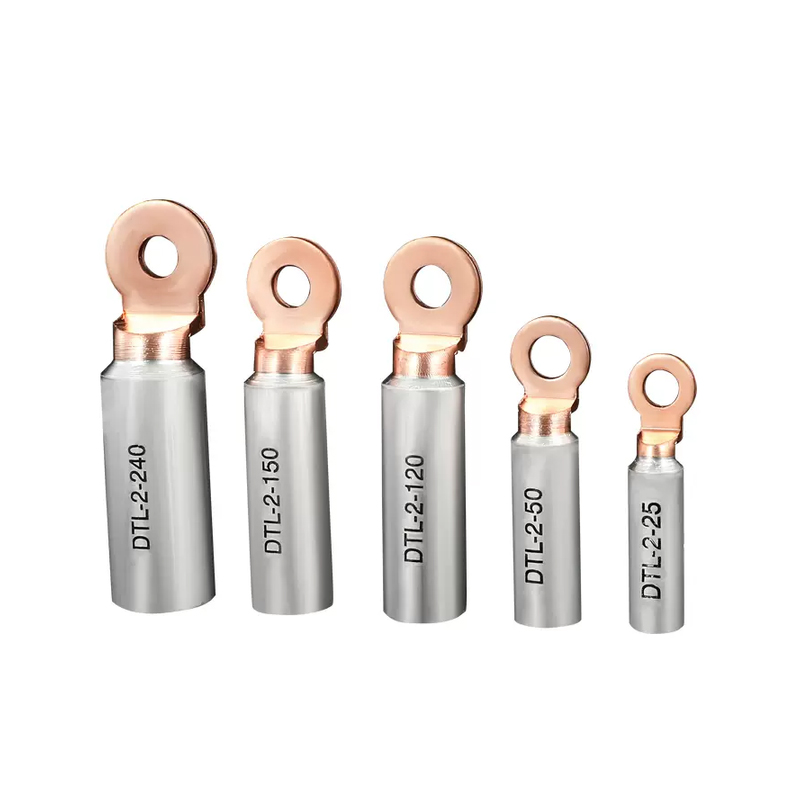
As electrical systems become more demanding in industrial equipment, power distribution cabinets, battery storage installations, and renewable energy projects, buyers are paying closer attention to the reliability of cable termination components. A connection problem can lead to excessive heat, unstable electrical contact, or unexpected maintenance work. For electrical distributors, panel manufacturers, and engineering contractors, selecting the right Copper Terminal Copper Lugs involves more than checking dimensions and unit prices. Material quality, conductor compatibility, surface treatment, and installation requirements all influence the performance of the finished connection. As a manufacturer, we believe these details should be considered before procurement rather than addressed after installation.
Material Compatibility Comes Before Product Selection
Copper lugs are commonly used with copper conductors because the materials provide good electrical compatibility. However, not every electrical installation uses the same conductor material. Some projects combine copper cables with aluminum busbars or equipment terminals, creating additional requirements at the connection point.
When dissimilar metals come into contact in the presence of moisture, galvanic corrosion may develop. This can gradually affect the contact surface and increase electrical resistance.
Before placing an order, purchasing teams should confirm:
- Conductor material and cross-sectional area.
- Terminal material and contact surface requirements.
- Whether direct copper-to-aluminum connection is permitted.
- Whether a bimetallic connection solution is necessary.
Checking these details helps prevent compatibility problems during equipment assembly.
Tin Plating Addresses Environmental Exposure
Surface treatment is another important consideration for overseas buyers. Bare copper terminals are suitable for many indoor electrical applications, but exposed copper surfaces can oxidize when they encounter moisture and air.
Tin-plated copper lugs provide an additional protective surface that helps reduce oxidation. They are commonly considered for installations involving humid environments, outdoor equipment, and electrical distribution systems where surface condition matters.
However, plating quality should not be judged by appearance alone. Manufacturers need to maintain consistent coating coverage and control the production process. Buyers can request information about plating specifications when evaluating suppliers, particularly for projects with specific environmental requirements.
Crimping Quality Affects Electrical Contact
Even a properly manufactured copper lug may perform poorly if the crimping process is unsuitable. A mismatch between the cable size, lug barrel, crimping die, and installation tool can prevent the conductor from forming a secure connection.
Common installation problems include:
- Incomplete crimping: The conductor may move inside the barrel, affecting contact stability.
- Incorrect die selection: The compression profile may not match the lug design.
- Insufficient conductor insertion: Part of the barrel may remain without proper conductor contact.
- Excessive compression: The lug barrel may become deformed or damaged.
As a manufacturer, we recommend matching each lug model with its specified conductor range and compatible crimping tooling.
Terminal Geometry Must Match Equipment Requirements
Copper lugs are available in different configurations, including ring terminals, single-hole lugs, two-hole lugs, and customized terminal designs. Each structure serves different installation requirements.
For example, two-hole copper lugs can help prevent unwanted rotation around the mounting point, while single-hole designs are commonly used where installation space is limited.
Procurement teams should check bolt-hole diameter, palm width, barrel length, and mounting clearance against the equipment drawings. A small dimensional mismatch can create difficulties during assembly, especially in compact electrical cabinets.
Quality Inspection Should Cover More Than Appearance
For bulk buyers and electrical equipment manufacturers, consistent product quality is essential. Visual inspection can identify obvious defects, but it cannot replace production checks.
Our manufacturing quality control focuses on several practical areas:
- Copper material consistency and dimensional accuracy.
- Barrel structure and terminal surface condition.
- Hole positioning and machining quality.
- Plating coverage for treated products.
- Product consistency across production batches.
These checks help buyers reduce incoming inspection difficulties and maintain more predictable assembly operations.
Supplier Communication Helps Prevent Procurement Errors
Product specifications should be clarified before mass production. Buyers sourcing copper terminals for different equipment models may require variations in cable size, terminal shape, surface treatment, packaging, or marking.
Providing technical drawings, conductor specifications, and application details allows manufacturers to evaluate the actual requirements. For customized orders, confirming samples before batch production also helps identify dimensional or assembly issues at an early stage.
A supplier with practical manufacturing experience can assist with product selection and communicate production requirements more clearly.
Reliable Connections Begin with the Right Manufacturing Details
Electrical connection reliability depends on several factors working together, from copper material selection to terminal machining, surface treatment, and correct installation. For distributors, electrical contractors, and equipment manufacturers, choosing a supplier should involve evaluating both product consistency and technical communication. As demand for dependable electrical components continues across power distribution and energy storage applications, Copper Terminal Copper Lugs remain important components in connection design. Working with a manufacturer that understands these production and application details can help buyers make more informed sourcing decisions and maintain consistent product quality across their projects.
Related Products

 +86-15558905711
 +86-15057372736
 [email protected]
 105 Liuxiang Road, Liushi Town, Yueqing City, Wenzhou City, Zhejiang Province, China

