
 EN
 英语
 中文简体
 俄语
 西班牙语
Home / News / Industry News / Improving Copper Lug Connection Reliability Through Better Material Selection and Installation Practices
Industry News
Nov 06,2026
Improving Copper Lug Connection Reliability Through Better Material Selection and Installation Practices
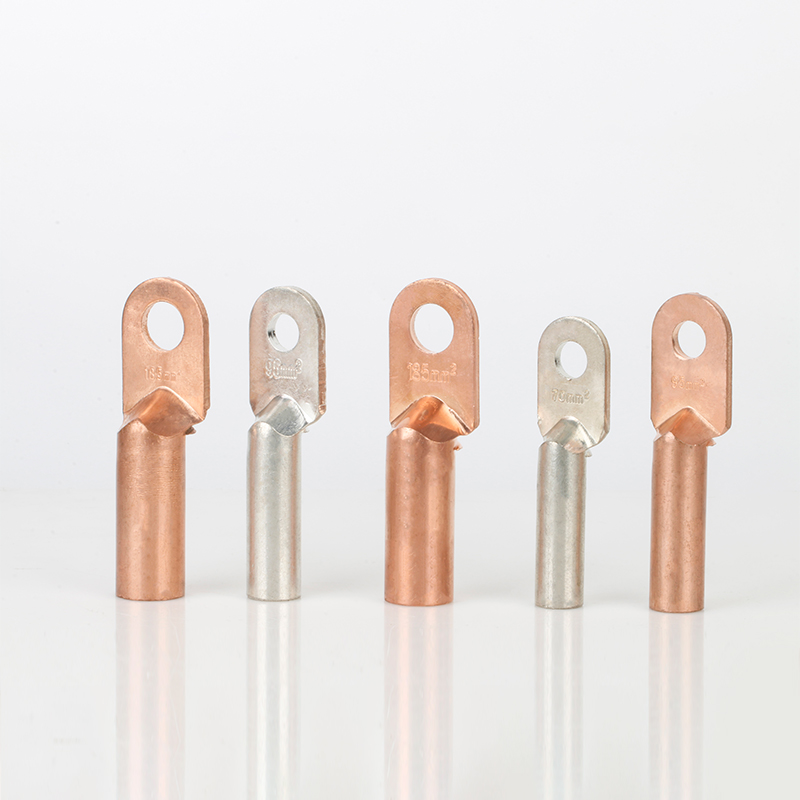
As industrial electrification, renewable energy projects, and data center construction continue to expand, electrical connection reliability has become an important concern for equipment designers and electrical contractors. A poorly fitted connection can lead to overheating, increased contact resistance, and unexpected maintenance. Copper Terminal Copper Lugs are widely used in power distribution, industrial equipment, battery systems, and electrical control cabinets. However, selecting the right product involves more than simply matching the cable size. Material quality, surface treatment, terminal dimensions, and installation methods all influence connection performance.
Why Connection Quality Matters in Modern Electrical Systems
Electrical systems increasingly need to handle demanding operating conditions, including continuous loads, temperature changes, vibration, and outdoor exposure. In these environments, even a small weakness at a cable termination can affect the reliability of the entire circuit.
Copper is commonly selected for electrical terminals because of its conductivity and workability. Copper lugs provide a conductive interface between cables and electrical equipment, helping establish a stable connection when properly selected and installed. For manufacturers and distributors, understanding these requirements also helps reduce product returns caused by incorrect specifications.
Choosing the Correct Copper Lug Size
One common installation problem is using a lug that does not match the conductor or connection point. An undersized barrel may damage cable strands during installation, while an oversized barrel can produce an unreliable crimp.
Before selecting copper cable lugs, engineers and buyers should check:
- Cable cross-section: Ensure the lug barrel matches the conductor size and construction.
- Stud diameter: Select a terminal hole that fits the equipment bolt or connection stud.
- Barrel dimensions: Consider conductor insertion depth and available installation space.
- Lug shape: Ring, fork, and other terminal designs serve different connection requirements.
Accurate matching helps avoid unnecessary modifications and makes assembly more consistent.
Managing Oxidation and Environmental Exposure
Copper surfaces can oxidize when exposed to air and moisture. In demanding environments, surface conditions may affect contact quality over time, particularly when connections are poorly protected.
Tinned copper lugs can be considered for applications requiring additional surface protection. The appropriate finish depends on the installation environment, equipment requirements, and contact materials. For outdoor electrical cabinets, marine equipment, and renewable energy installations, buyers should also consider suitable sealing, protective covers, and corrosion-resistant fastening hardware.
Preventing Overheating at Crimped Connections
Improper crimping is another common source of electrical connection problems. Using an unsuitable die, incorrect crimping pressure, or poorly maintained tools can result in loose connections or damaged conductor strands.
As a manufacturer, we recommend following the specified crimping procedure for each terminal model. Installers should use compatible crimping tools and dies, check the conductor insertion position, and inspect completed connections before assembly. A properly formed crimp helps establish consistent electrical and mechanical contact without relying on excessive tightening or improvised installation methods.
Material and Manufacturing Consistency
For wholesale buyers and electrical component distributors, product consistency matters just as much as individual product performance. Variations in barrel dimensions, copper thickness, hole diameter, and surface finish can create difficulties during automated assembly and bulk installation.
Our manufacturing process focuses on material selection, dimensional control, and production inspection. These checks help ensure that supplied copper terminals meet the agreed product specifications. Buyers can also request drawings, material information, and sample evaluations when developing new product models.
Matching Copper Terminals to Different Applications
Different industries have different connection requirements. Power distribution cabinets often require reliable cable-to-busbar connections, while battery systems need terminals compatible with their cable construction and fastening arrangements. Industrial machinery may place additional emphasis on vibration resistance and installation space.
When evaluating Copper Terminal products, buyers should consider the operating environment, conductor type, current requirements, and applicable electrical standards rather than choosing solely by appearance.
Building More Reliable Electrical Connections
Reliable electrical connections start with correctly specified components and controlled installation procedures. From material selection and surface treatment to crimping quality and dimensional accuracy, every detail contributes to the finished connection. As a manufacturer, we focus on producing Copper Terminal and Copper Lugs that support practical installation requirements across industrial, energy, and electrical equipment applications, helping business customers develop dependable connection solutions for their projects.
Related Products

 +86-15558905711
 +86-15057372736
 [email protected]
 105 Liuxiang Road, Liushi Town, Yueqing City, Wenzhou City, Zhejiang Province, China

