
 EN
 英语
 中文简体
 俄语
 西班牙语
Home / News / Industry News / Reducing Installation Delays with Compatible Corrugated Conduit Glands
Industry News
Oct 26,2026
Reducing Installation Delays with Compatible Corrugated Conduit Glands
In electrical equipment manufacturing, small connection components can create unexpected production problems when their dimensions or materials do not match the installation requirements. Corrugated flexible conduit protects cables during routing, but an unsuitable gland may cause loose connections, difficult assembly, or repeated quality checks. For distributors, panel builders, and industrial buyers, choosing a reliable Corrugated Conduit Gland PA Wholesaler means looking beyond product availability. As a manufacturer, we focus on compatibility, consistent specifications, and practical support to help customers select fittings for their applications.
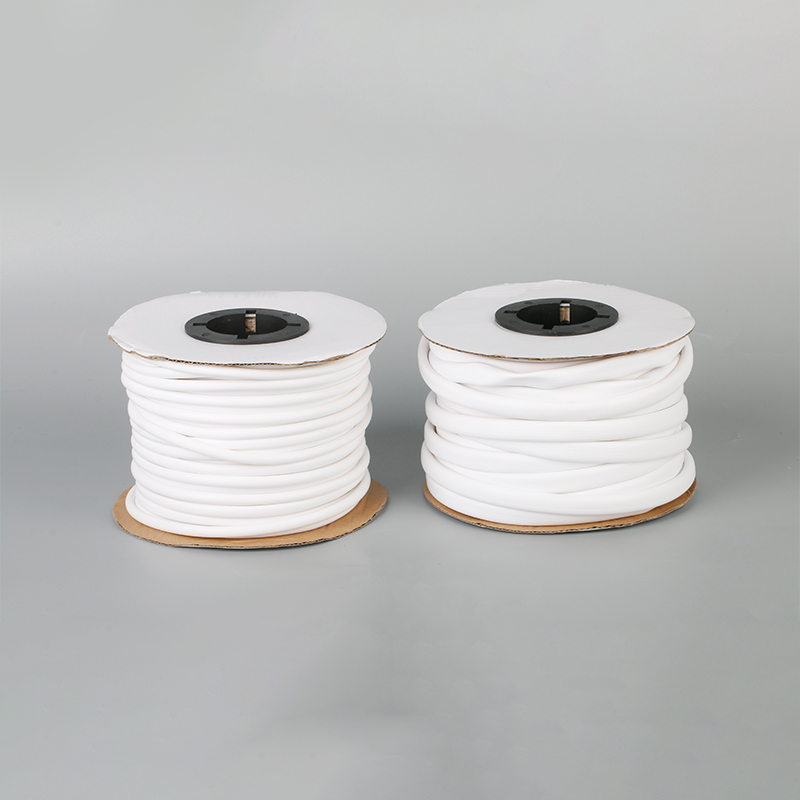
Check Conduit Compatibility Before Production
Corrugated conduit has a ribbed outer surface, and the gland must be designed to engage with the corresponding profile. If the connection is poorly matched, installers may struggle to secure the conduit or find that it moves during handling.
Before confirming an order, buyers should check the nominal conduit size, connection structure, and mounting thread. When a gland is intended for an existing enclosure or production line, comparing technical drawings and samples can help identify dimensional differences early.
For OEM projects, it is also useful to share the actual conduit model with the supplier. This gives both parties a clearer reference and reduces the risk of selecting a fitting based on appearance alone.
Select PA Material for the Intended Environment
Polyamide (PA) is widely used in cable management components because it is lightweight, offers useful mechanical strength, and resists corrosion. These characteristics make PA corrugated conduit glands suitable for various electrical installations where non-metallic fittings meet the required specifications.
Nevertheless, material selection should reflect real operating conditions. Equipment exposed to heat, chemicals, sunlight, or repeated mechanical stress may require additional checks. Buyers should review the specified PA material grade and relevant technical documentation before approving a product.
For outdoor equipment or demanding industrial environments, ask the supplier to clarify applicable temperature limits and environmental suitability. This helps avoid relying on general material descriptions when application-specific performance matters.
Review Sealing and Cable Protection Requirements
A secure conduit connection is important, but it does not automatically make an electrical enclosure dustproof or waterproof. The final protection level depends on the gland design, enclosure interface, sealing components, and installation method.
When evaluating a product, purchasing and engineering teams should confirm several details:
- Whether the gland fits the selected conduit profile.
- Whether its thread matches the enclosure opening.
- Whether the assembled connection meets the required dust and moisture protection level.
- Whether the installation environment introduces additional chemical, temperature, or mechanical demands.
If a specific ingress protection rating is required, request supporting test documentation for the relevant product or assembly. This is particularly important when fittings are used in control cabinets, machinery, and electrical equipment with defined protection requirements.
Improve Assembly Consistency with Clear Specifications
Production teams need components that fit consistently from one batch to the next. Differences in dimensions, thread condition, or connection design can interrupt assembly and increase inspection work.
As a manufacturer, we recommend establishing an approved specification before repeat orders begin. The document should identify the product size, thread type, material, colour where applicable, and packaging requirements. Retaining an approved sample can also help the purchasing team compare incoming goods against the original requirement.
For projects involving several conduit sizes, separate product identification and clear labelling can reduce picking mistakes. These simple controls are useful for both equipment manufacturers and distributors handling multiple product variations.
Evaluate Wholesale Suppliers Beyond Price
Unit price is only one part of the purchasing decision. If a fitting causes installation difficulties or fails to match the customer's requirements, the resulting returns, delays, and additional checks may create further costs.
When comparing suppliers, buyers should ask about dimensional inspection, material verification, batch identification, sample availability, and technical communication. It is also worth confirming how product changes will be communicated before subsequent orders are produced.
For importers and electrical wholesalers, clear documentation supports more consistent product information across sales, warehousing, and customer service teams. It also makes it easier to investigate compatibility concerns when they arise.
Plan Inventory Around Customer Applications
Distributors often serve customers across machinery production, electrical installation, and equipment maintenance. Their requirements may differ in conduit dimensions, enclosure threads, colours, and packaging formats.
Rather than stocking every available variation, review actual order history and recurring customer enquiries. Keep commonly requested sizes aligned with demand, while confirming lead times for less frequently ordered options. This approach helps balance stock availability with warehouse capacity.
Before placing a bulk order, discuss order quantities, packaging, delivery arrangements, and any documentation needed for the destination market. Early coordination gives both the buyer and supplier a clearer basis for planning.
Establish a Dependable Supply Partnership
Choosing a Corrugated Conduit Gland PA Wholesaler requires attention to technical compatibility, material suitability, quality control, and supply communication. Buyers who confirm specifications before ordering can reduce avoidable assembly problems and make inventory planning more predictable. As a manufacturer, we work with customers to clarify application requirements and evaluate suitable PA corrugated conduit gland options for industrial cable management. Sharing conduit dimensions, enclosure details, and operating conditions at the enquiry stage helps create a clearer path from product selection to reliable installation.
Related Products

 +86-15558905711
 +86-15057372736
 [email protected]
 105 Liuxiang Road, Liushi Town, Yueqing City, Wenzhou City, Zhejiang Province, China

