
 EN
EN 英语
英语 中文简体
中文简体 俄语
俄语 西班牙语
西班牙语
Industry News
Dec 25,2025
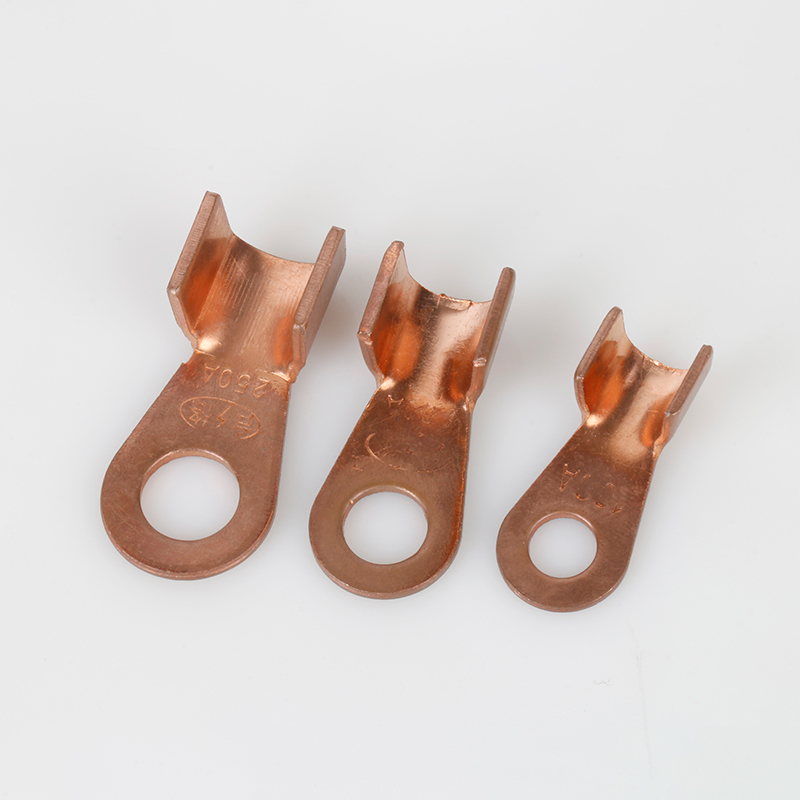
Copper Terminal Copper Lugs for Modern Power Systems
The Copper Terminal Copper Lugs have become increasingly relevant as industries, infrastructure projects, and renewable energy systems demand reliable and durable electrical connections. With higher current requirements, more compact installations, and expanding electrification in vehicles and industrial systems, copper lugs are being recognized as critical components for maintaining stable power transfer and long-term operational safety.
Industry Focus and Emerging Needs
A key reason for the renewed interest in copper lugs is the widespread adoption of high-current systems in renewable energy, electric vehicles, and industrial automation. Solar arrays and battery storage systems often handle large DC currents, where even minimal resistance or poor terminations can lead to energy loss, overheating, or reduced efficiency. In electric vehicles and industrial machinery, vibration, heat, and environmental exposure challenge conventional connectors, making copper lugs a preferred choice for secure and stable connections.
Another area of focus is high-density electrical installations. Modern control panels, data centres, and automation systems require neatly organised and reliable cable terminations. Copper lugs ensure consistent conductivity while maintaining mechanical stability, reducing the risk of loose connections or voltage drops over time.
Technical Characteristics
- High Electrical Conductivity: Copper lugs provide low-resistance pathways for current, helping maintain voltage stability.
- Thermal Management: Copper’s heat-conducting properties reduce the buildup of hotspots in high-current circuits, preventing thermal stress and improving safety.
- Mechanical Strength: Properly crimped or bolted lugs hold cables securely, resisting movement, vibration, and mechanical stress in demanding environments.
- Versatile Designs: Available in ring, spade, pin, or compression types, copper lugs accommodate a wide range of cable gauges, bolt sizes, and installation requirements.
- Corrosion Resistance: Copper, particularly when plated or treated, withstands oxidation and environmental stress, ensuring long-term reliability in indoor, outdoor, or marine settings.
Applications
- Renewable Energy Systems
Copper lugs are widely used in solar panels, battery banks, and energy storage installations to maintain efficient DC and AC power transfer. Their low-resistance connections reduce voltage drop and energy loss, which is critical for system performance.
- Electric Vehicles and High-Voltage Wiring
In electric vehicles and mobile machinery, copper lugs secure battery connections and power harnesses. They resist vibration and temperature variations while maintaining consistent electrical performance.
- Industrial Automation and Control Panels
Factories and automated facilities often operate complex wiring networks under continuous heavy loads. Copper lugs provide secure connections for switchgear, motor controllers, and distribution panels, ensuring stable power delivery and reducing the risk of faults.
- Marine and Outdoor Installations
For marine equipment, offshore structures, and outdoor electrical systems, copper lugs’ resistance to corrosion and environmental exposure ensures reliable long-term operation, even in harsh conditions.
Practices
- Correct Sizing: Select lugs that match both conductor size and bolt/stud requirements to maintain proper contact and stability.
- Proper Crimping or Bolting: Ensure mechanical connections are secure to prevent resistance increase or overheating.
- Material Compatibility: Use copper lugs with copper conductors to avoid galvanic corrosion and maintain conductivity.
- Regular Inspections: Periodically check high-current or vibration-prone connections to ensure stability and performance.
Conclusion
The Copper Terminal Copper Lugs are increasingly recognised as essential components in modern electrical systems. Their combination of electrical conductivity, thermal management, mechanical stability, and environmental resistance makes them suitable for renewable energy systems, industrial automation, electric vehicles, and outdoor applications. By providing secure, low-resistance connections, copper lugs contribute to efficient, reliable, and long-lasting power systems, addressing the challenges of contemporary high-current installations.
Related Products

 +86-15558905711
 +86-15057372736
 [email protected]
 105 Liuxiang Road, Liushi Town, Yueqing City, Wenzhou City, Zhejiang Province, China

