
 EN
EN 英语
英语 中文简体
中文简体 俄语
俄语 西班牙语
西班牙语
Home / News / Industry News / Compare Hot vs Cold for 10KV Heat Shrink Intermediate Cable Connector.
Industry News
Apr 24,2026
Compare Hot vs Cold for 10KV Heat Shrink Intermediate Cable Connector.
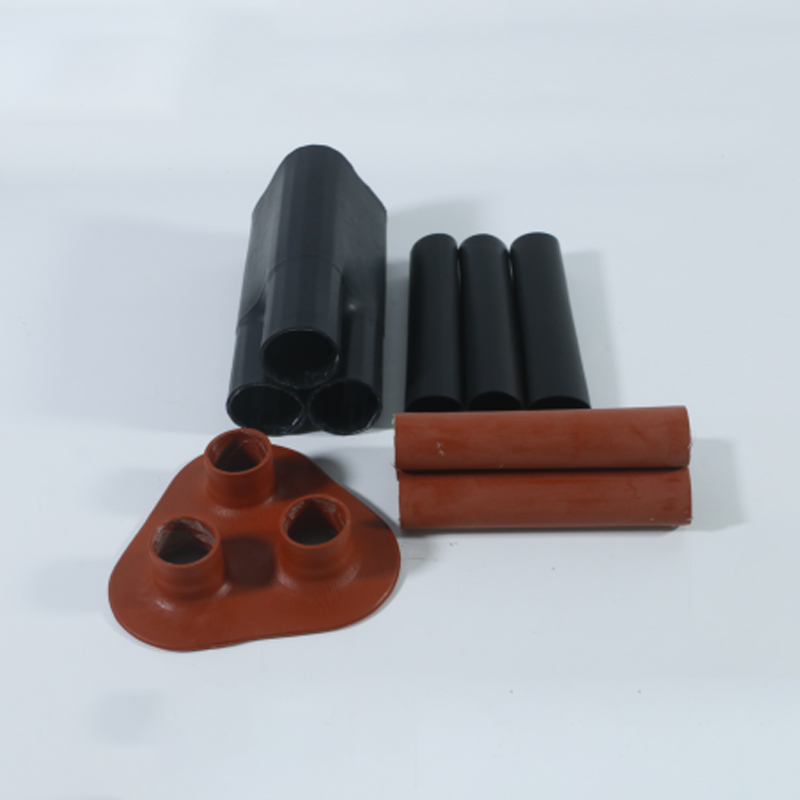
Engineers specifying cable joints for 10kV systems often face a choice between two common technologies. The 10KV Heat Shrink Intermediate Cable Connector represents one option, while cold shrink joints offer a different installation approach.
Installation Process Differences
The 10KV Heat Shrink Intermediate Cable Connector requires an external heat source, such as a propane torch or electric heat gun, to shrink its tubes onto the cable. The operator must apply heat evenly while avoiding damage to the material. This process takes practice to perform consistently. In contrast, a cold shrink joint comes pre-expanded over a removable plastic core. After positioning the joint, the installer pulls the core out, allowing the elastic material to wrap tightly around the cable. No heat is needed, which removes the risk of overheating or uneven shrinkage. For teams with limited training, the cold shrink method may be easier to learn.
Tool and Equipment Needs
Using the 10KV Heat Shrink Intermediate Cable Connector means carrying heat sources and spare fuel canisters to the job site. In remote locations, this adds weight and logistics. The heat source also requires safe handling to avoid burns or fire hazards. Cold shrink joints require only a pulling tool for the core, which is often included with the product. The absence of an open flame makes cold shrink joints suitable for areas where fire safety rules restrict hot work, such as chemical plants or underground mines.
Material Behavior and Fit
Once installed, the 10KV Heat Shrink Intermediate Cable Connector holds its position through the mechanical grip of the shrunk material. The fit is determined by the original expanded size and the degree of shrinkage. If the cable diameter varies along its length, the heat shrink tube conforms to the local shape. Cold shrink joints rely on the elasticity of silicone or EPDM rubber. They maintain constant pressure against the cable surface regardless of minor diameter changes. Some field reports indicate that cold shrink joints handle cable ovality better because the elastic material follows the cable contour more closely.
Sealing Performance in Wet Conditions
Water resistance is a critical factor for underground cable joints. The 10KV Heat Shrink Intermediate Cable Connector relies on a meltable adhesive inside the outer tube to create a seal. When heated correctly, this adhesive flows into gaps and hardens upon cooling. Cold shrink joints achieve sealing through the constant elastic pressure of the rubber against the cable sheath. Additionally, many cold shrink designs include a sealing gel or mastic layer. In continuously wet or submerged installations, cold shrink joints have shown fewer moisture ingress incidents according to some utility records. However, the heat-shrink version remains functional in dry or seasonally damp environments.
Cost and Material Expense
For projects with many joints, material cost influences the choice. The 10KV Heat Shrink Intermediate Cable Connector typically has a lower purchase price than an equivalent cold shrink joint. This difference becomes noticeable when ordering dozens of joints for a large line extension. Cold shrink joints involve more complex manufacturing processes and higher-grade elastic materials, which raise their price. Budget-conscious projects in dry areas often select the heat-shrink version to keep material expenses within allocation.
Application Examples for Each Type
The 10KV Heat Shrink Intermediate Cable Connector is frequently seen in overhead-to-underground transitions, rural distribution lines, and indoor substation connections where conditions remain dry. Cold shrink joints appear more often in coastal areas, river crossings, and locations with high water tables. Some utilities use both types, choosing heat shrink for standard dry routes and cold shrink for sections known to have standing water. This mixed approach balances initial cost with long-term reliability expectations.
Installation Time Comparison
Experienced crews can install the 10KV Heat Shrink Intermediate Cable Connector in a similar amount of time as a cold shrink joint, provided they are familiar with the heating process. For less experienced workers, the cold shrink joint may be faster because it eliminates the heating step and the need to wait for cooling between layers. Project schedules with tight windows may benefit from the quicker learning curve of cold shrink products. However, the difference in total installation time per joint is measured in minutes rather than hours, so the overall impact on a project's duration is small unless hundreds of joints are involved.
Making a Choice Based on Site Conditions
Selecting between a 10 kV heat-shrink intermediate cable connector and a cold-shrink joint comes down to evaluating environmental moisture, fire safety rules, installer skill level, and material budget. No single option fits every situation. Engineers who understand both technologies can match the joint type to the specific demands of each cable route, rather than applying one solution across all projects.
Related Products

 +86-15558905711
 +86-15057372736
 [email protected]
 105 Liuxiang Road, Liushi Town, Yueqing City, Wenzhou City, Zhejiang Province, China

