
 EN
EN 英语
英语 中文简体
中文简体 俄语
俄语 西班牙语
西班牙语
Industry News
Dec 05,2025
Comparing Waterproof Cable Gland Materials
Waterproof Cable Gland plays an important role in ensuring secure and sealed cable entry across outdoor, industrial, and marine electrical systems. Manufacturers now offer several material options such as nylon (PA66), brass, and stainless steel, each designed to meet distinct environmental and mechanical requirements. Understanding these differences helps buyers match cable gland types to their specific installation environments, whether in renewable energy, marine power, chemical processing, transportation systems or automation lines.
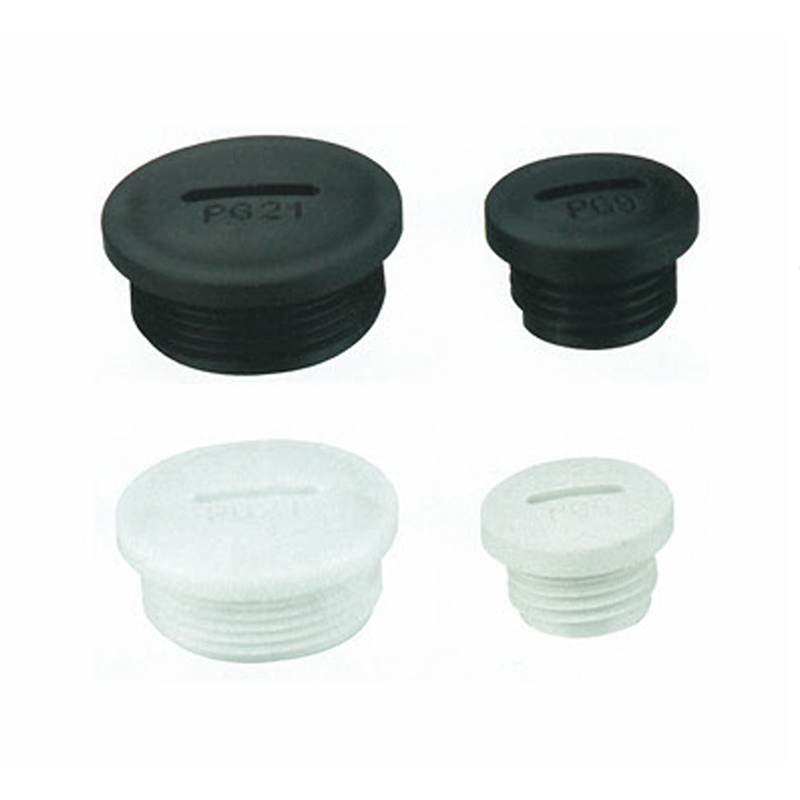
Material Options and Performance Characteristics
Nylon (PA66), brass, and stainless steel are widely used in cable gland production. While all are engineered to maintain sealing performance against dust and moisture, their physical characteristics and ideal application conditions vary.
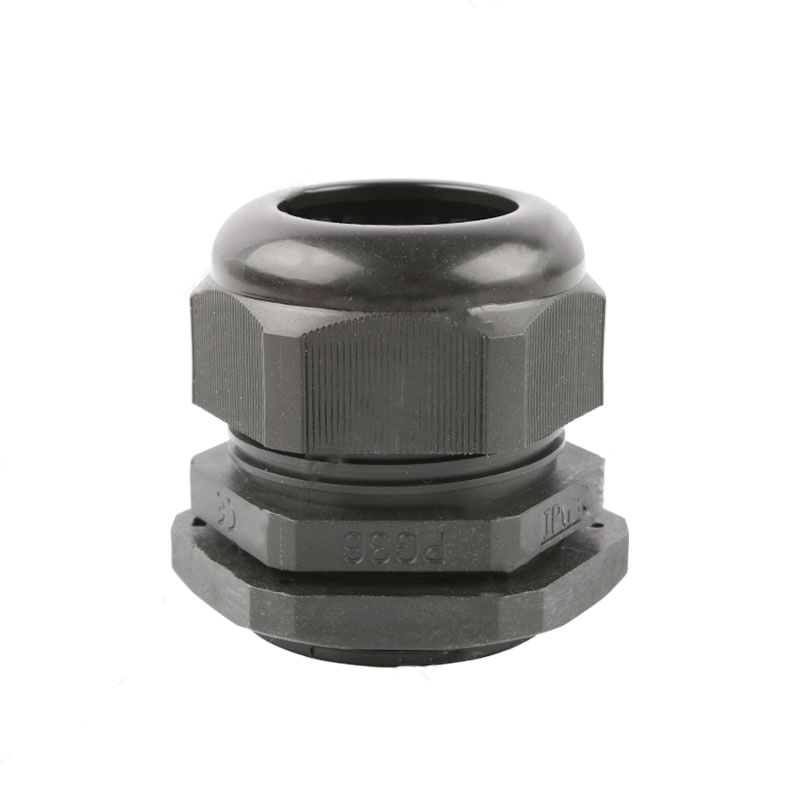
Nylon (PA66) glands are often selected for general industrial control cabinets, power boxes and indoor-outdoor distribution systems. They provide an insulating structure, cost-effective performance, and resistance to common environmental factors. They are suitable when operating conditions do not require heavy corrosion resistance.
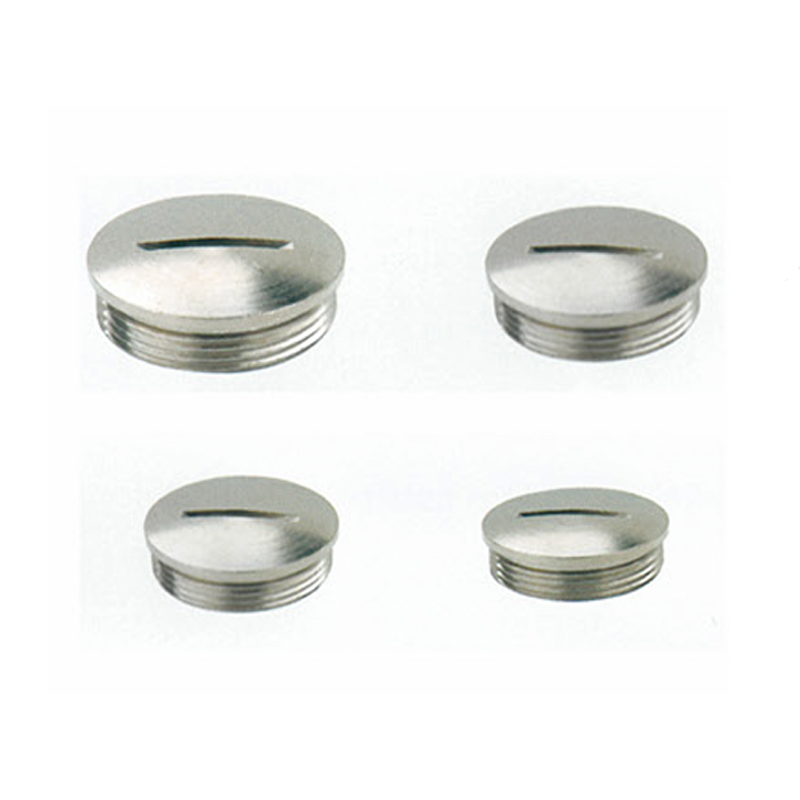
Brass cable glands are well-suited for systems exposed to vibration, contact with external moisture or fluctuating temperatures. This metal construction delivers mechanical strength and is often used in manufacturing machinery, railway systems, offshore electrical units and solar inverter panels.
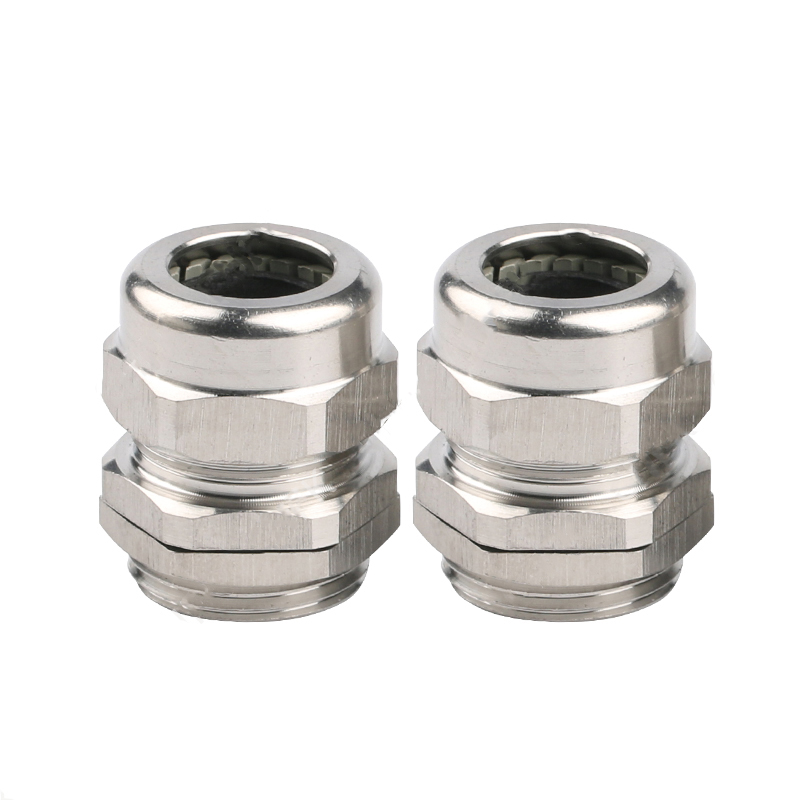
Stainless steel cable glands are often preferred for marine, coastal, or chemical industry environments. Their corrosion resistance and stable mechanical properties allow continuous operation where humidity, salt exposure or chemical vapors are common. Stainless steel also performs reliably across extended service periods.
Application Fields Across Industry
Cable glands made from these materials support a wide range of applications. In industrial automation, glands are used to seal control system wiring and protect internal components of cabinets. In power distribution, they are installed on switchgear, electrical terminals, and feeder cable enclosures to shield against humidity and dust.
In renewable energy, including solar and wind projects, sealed cable entry maintains electrical continuity in outdoor conditions, protecting wiring inside junction boxes and inverter housings. In marine engineering, glands safeguard cabling within vessels, offshore power platforms, seaside power transmission joints and underwater instrumentation.
In telecommunication infrastructure, cable glands secure fiber cables, signal wiring, base station components and outdoor data cabinets. In transportation, including trains, subways and industrial vehicles, reliable cable sealing supports safe operation across electrical systems.
Even in outdoor surveillance and lighting, cable glands protect low-voltage power lines, signal wires and junction connectors that are continuously exposed to rainwater, dust and UV exposure.
Material and Performance Comparison Table
| Material | Strength | Corrosion Resistance | Typical Use Case |
|---|---|---|---|
| Nylon (PA66) | Moderate strength | Basic protection | Industrial cabinets, power boxes, outdoor LED installations |
| Brass | High strength | Good corrosion resistance | Machinery, inverter units, transportation systems |
| Stainless Steel | High strength | High corrosion resistance | Marine and chemical environments, coastal projects |
Selection Considerations
The correct gland type depends on operating conditions, cable diameter and sealing level. Buyers typically evaluate:
- Required waterproof rating (e.g., submerged vs outdoor humidity)
- Exposure to salt, chemicals, vibration or temperature changes
- Thread type compatibility with existing panels or enclosures
- Expected service life and maintenance cycles
- Material suitability based on environment
Material choice should reflect the surrounding environment and the expected service conditions of each installation. Factors such as moisture exposure, mechanical strain, vibration levels, and possible contact with corrosive media should be taken into account before selecting a gland.
As electrical systems extend into new applications, reliable protection at cable entry points remains important. Matching each material to the right setting helps maintain consistent performance and reduces the likelihood of sealing issues. Across industrial and infrastructure projects, Waterproof Cable Gland continues to offer practical support for controlled and protected cable routing.
Related Products

 +86-15558905711
 +86-15057372736
 [email protected]
 105 Liuxiang Road, Liushi Town, Yueqing City, Wenzhou City, Zhejiang Province, China

